

Montreal in 5 days: with Quebec City and the Laurentians
With five days Montreal becomes the base to see Quebec, which is something different from Canada and also from North America. The first three remain those of the city. The fourth goes to Quebec City, three hours by train or car to the northeast: it’s the only walled city north of Mexico, UNESCO heritage site, founded in 1608, and walking inside it you’re no longer in America. The fifth climbs into the Laurentides, the chain of hills and lakes where Montrealers go on weekends — and if you happen to be there in October, you’ll see the autumn colors that people cross the ocean to see.
In summary
- Duration · five days, with base only in Montreal
- Need a car · for day 5 yes; for Quebec City there’s train or bus
- Budget · $600-900 CAD per person for five days, accommodation excluded
- When · from May to October. Late September and early October are the absolute best time for autumn colors
- Need to book · the train to Quebec City is worth buying in advance, and the car for day 5
- Quebec City in a day · you can do it, but it’s six hours of travel: consider a night there
- What’s left out anyway · Ottawa, Tadoussac and the whales, Gaspésie: that’s another trip
Quebec City is to the northeast along the St. Lawrence, the Laurentides to the northwest: two opposite directions, both in a day.
The first three days
They remain those of the three-day itinerary: the old city with the mountain, the east Olympic with markets, museums with islands. If you come here from there you can skip to the fourth.
Day 1 – The old city and the mountain
9 km · Vieux-Montréal, Notre-Dame, underground city, Mount Royal, Plateau
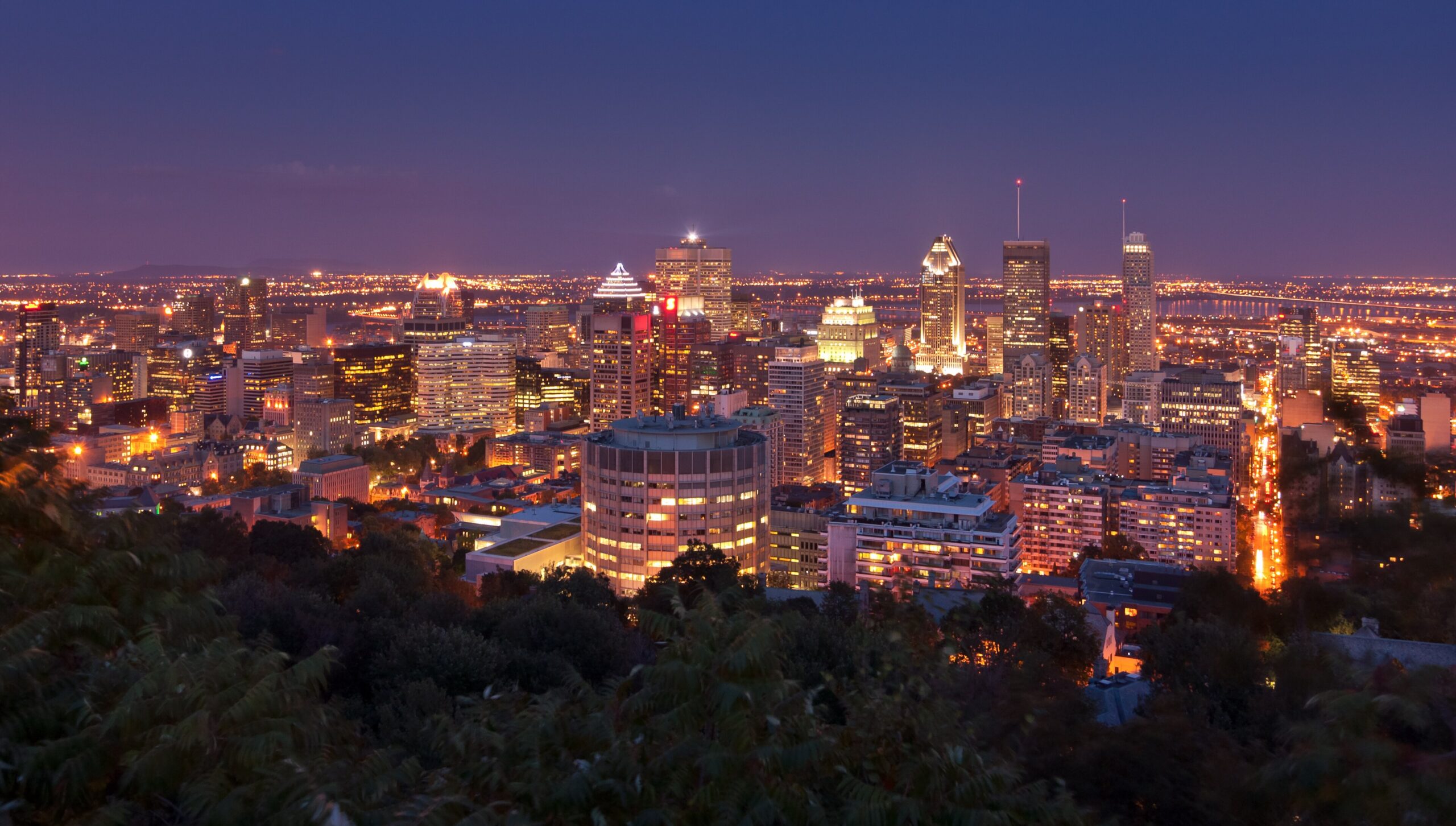
Cobblestones and gray stone in the morning, the basilica with the blue vault, the thirty-two kilometers of the city under the city at noon, Olmsted’s hill in the afternoon and evening in the Plateau, among external stairs and hot bagels.
Day 2 – The east Olympic and markets
7 km · Olympic Stadium, Biodôme, botanical garden, Jean-Talon and Little Italy
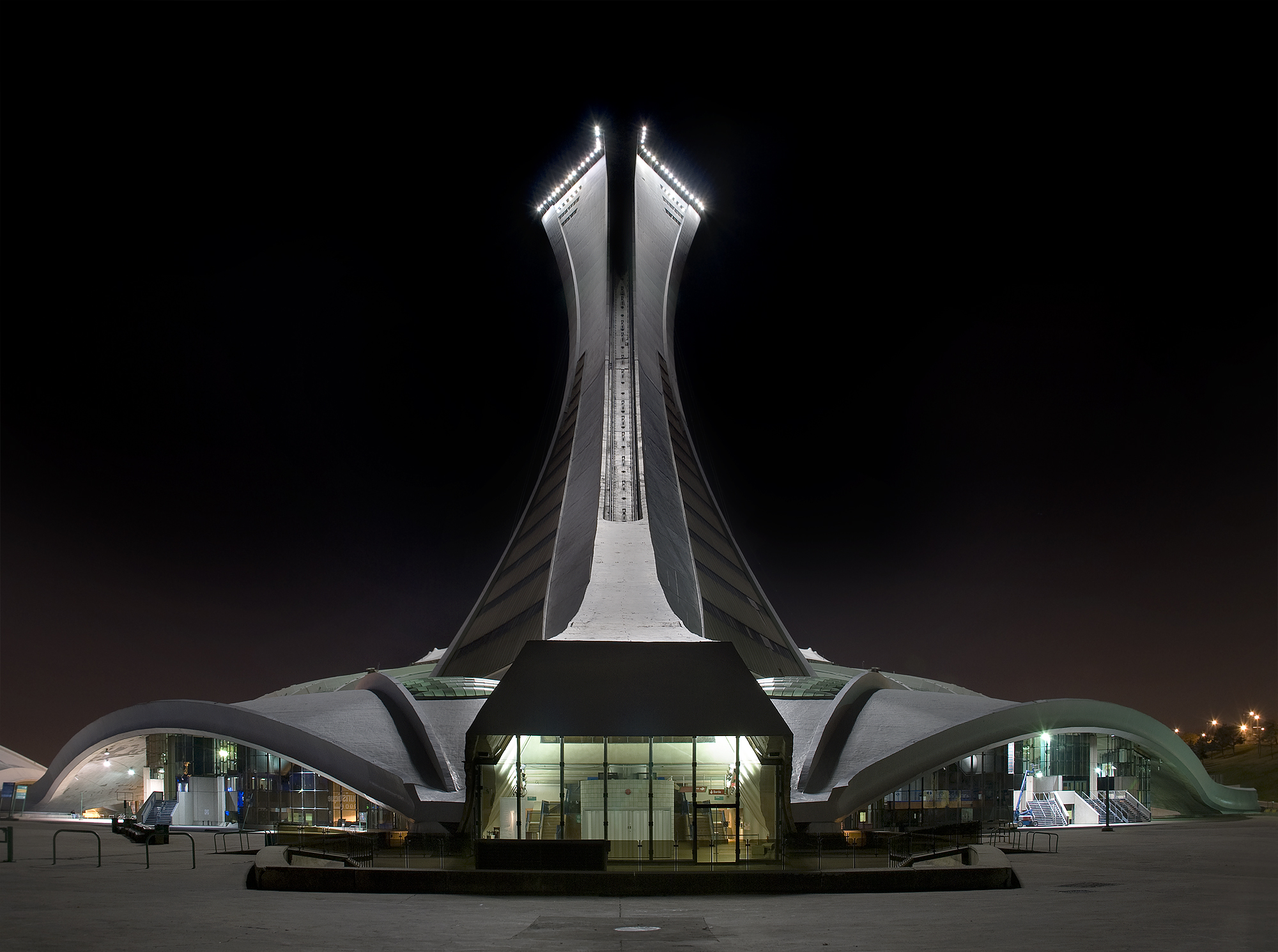
The world’s highest leaning tower, five reconstructed ecosystems inside the former velodrome, the largest Chinese garden outside Asia, and a market open since 1933 even at twenty below zero.
Day 3 – Museums and islands
6 km · Pointe-à-Callière, Biosphere and Expo islands, Museum of Fine Arts
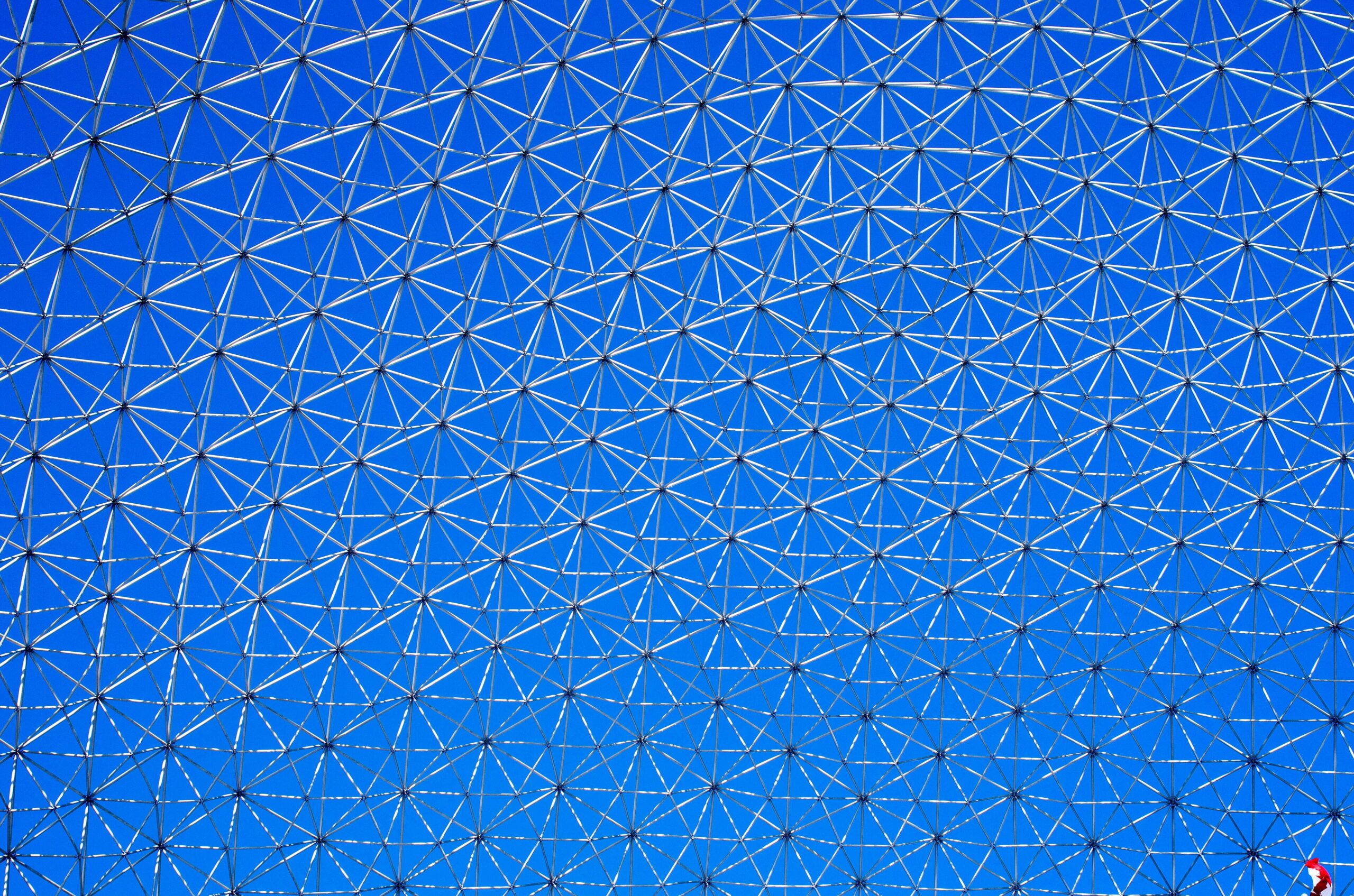
The excavations of the seventeenth-century city under the museum, the islands built with metro earth, and the collection of Inuit art among the most important in the world.
Day 4 — Quebec City, the walled city
All day · Train 3 hours 15 min, car 2 hours 45 min · departure at 7
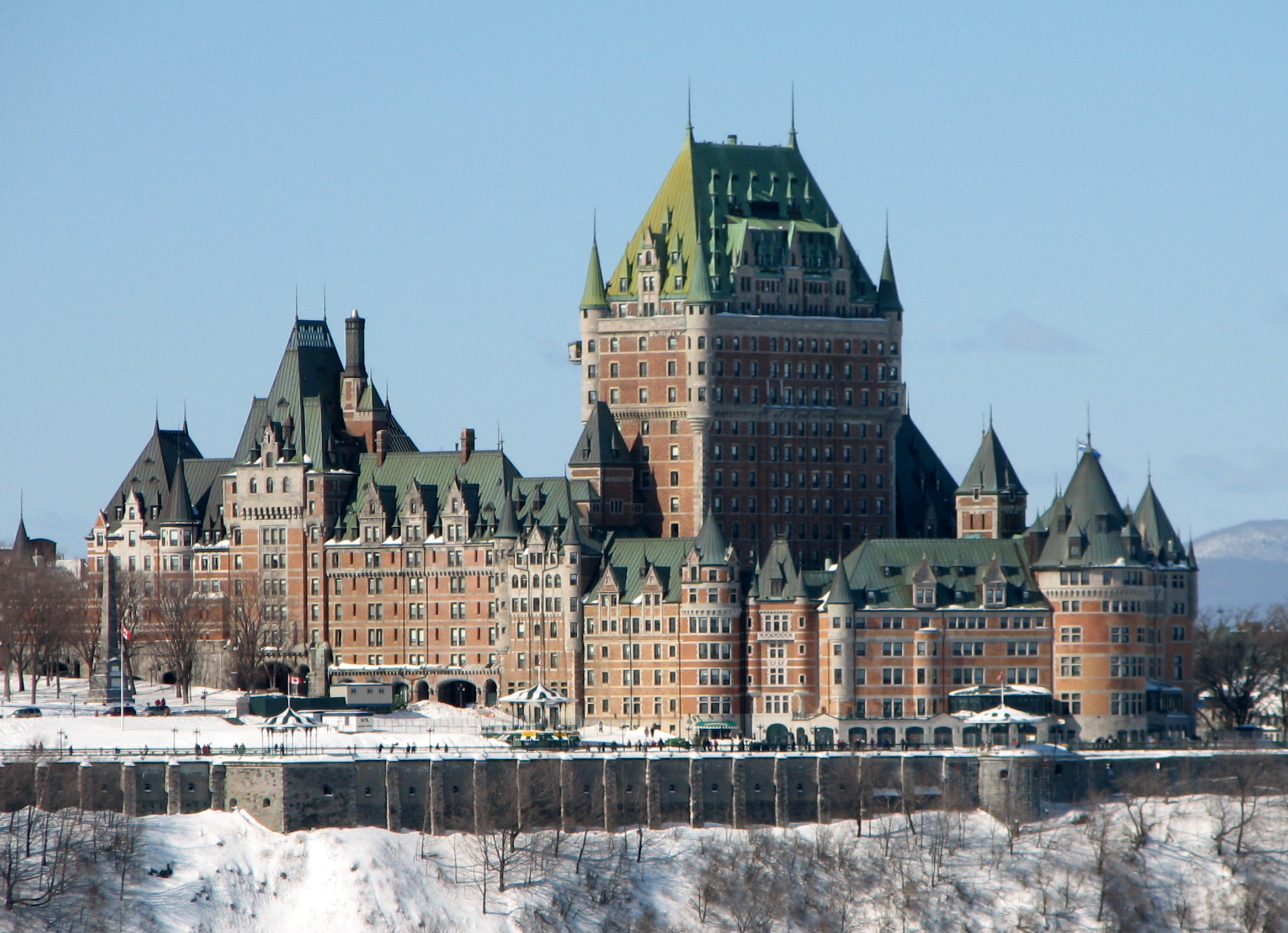
Quebec City was founded by Samuel de Champlain in 1608 and is the cradle of New France. It has something that doesn’t exist anywhere else on the continent: walls. It’s the only fortified city north of Mexico to still have the complete circle, four and a half kilometers of bastions, and that’s why the historic center has been a UNESCO heritage site since 1985.
The city is on two levels. The Haute-Ville, on the cliff of Cape Diamond, has the Citadel, the parliament and the Terrasse Dufferin, the wooden walkway overlooking the St. Lawrence, which is a kilometer wide here. The Basse-Ville, down along the river, is the merchant neighborhood of the seventeenth century: narrow houses, Place Royale, the Church of Notre-Dame-des-Victoires from 1688 and rue du Petit-Champlain, which is the oldest commercial street in North America. Between the two levels there’s a funicular, or a staircase called, with honesty, the escalier casse-cou: the neck-breaking staircase.
The Château Frontenac, with towers and copper roofs, is the most photographed building: it looks like a medieval castle but is actually an 1893 hotel, built by the railway company to fill trains — a strategy that in Canada produced a chain of fake castles along the entire line. In 1943 and 1944 the Quebec Conferences were held there, with Churchill and Roosevelt planning the Normandy landings.
Other things worth it, if time allows:
- the Plains of Abraham, the park where on September 13, 1759, the English defeated the French in a battle lasting twenty minutes that decided which language would be spoken in North America. Both commanders died, Wolfe and Montcalm
- Montmorency Falls, fifteen minutes from the city: they’re 83 meters high, thirty more than Niagara, and you pass over them on a suspended walkway
- Île d’Orléans, an agricultural island in the river that remains as it was two centuries ago, with colonial houses and ice cider producers
Doing Quebec City in a day from Montreal means six hours of travel for the round trip. You can, but if you have flexibility sleep a night there: the old city lit up in the evening, when the tour buses are gone, is a different experience.
Day 5 — The Laurentides
All day · need a car · 1 hour 30 minutes from Montreal
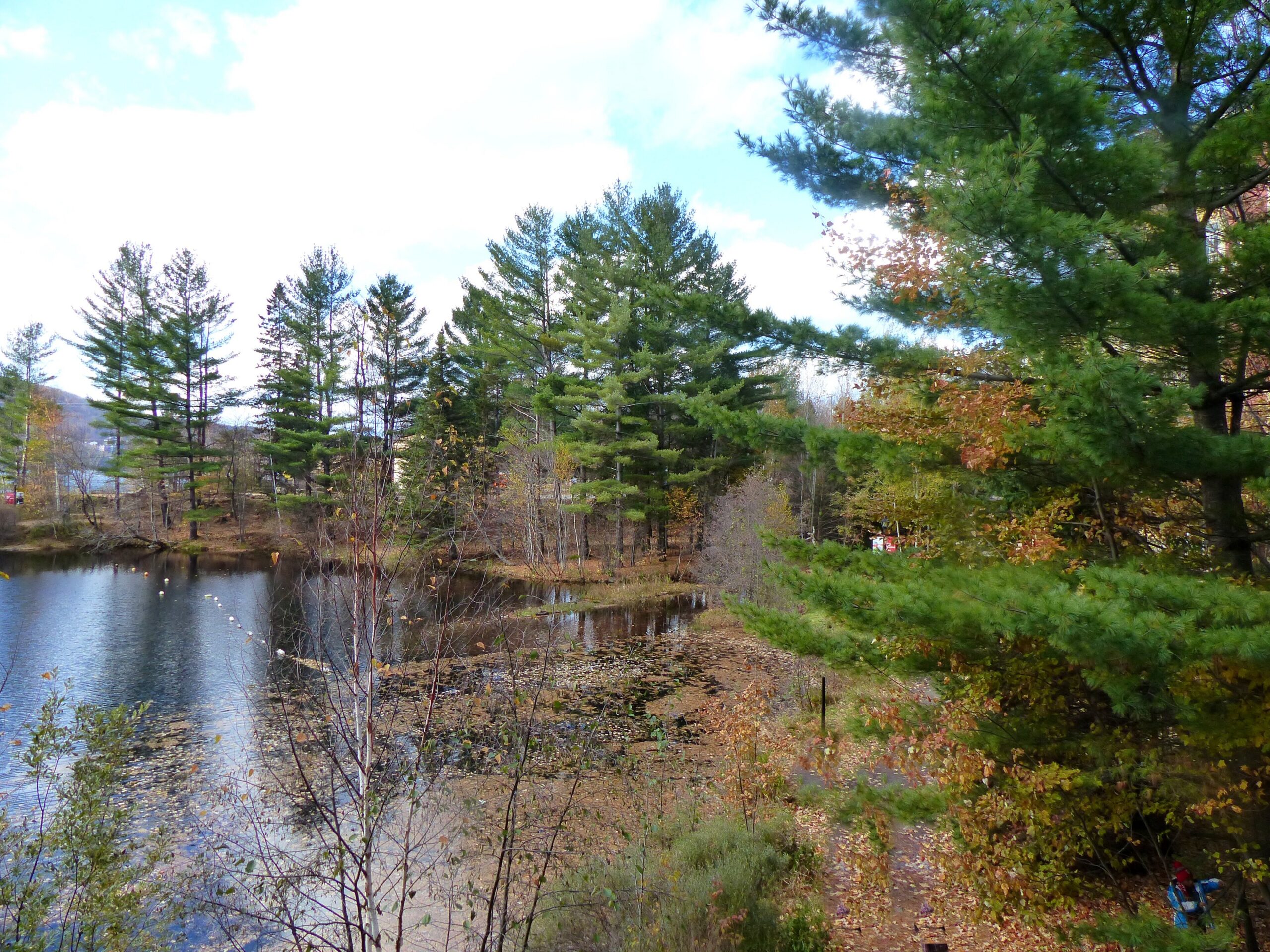
An hour and a half north of Montreal the Laurentides begin, a chain of very ancient hills — they’re among the oldest rocks on the planet, over a billion years old — covered with forests and dotted with thousands of lakes. It’s the place where Montrealers have their weekend house, and where you really understand what Quebec means: water, trees and silence.
The road and the villages
Time half day · Free · Car along highway 117
You go up the old highway instead of the freeway, and pass through towns: Saint-Sauveur with its main street of colored wooden houses, Val-David which is the town of artists and climbers, Sainte-Agathe-des-Monts on the lake.
Along the whole valley runs Le P’tit Train du Nord: a former railway of 232 kilometers converted into a bike path, which becomes a cross-country and snowmobile trail in winter. The old stations have become cafés and bike rentals. If you have half a day and feel like cycling flat through the woods, it’s one of the most beautiful bike paths in North America.
Mont-Tremblant
Time half day · Chairlift about $30 CAD · National park about $10 per person · 2 hours from Montreal
Mont-Tremblant is the highest mountain in the Laurentides, 875 meters, and is Quebec’s most famous ski resort. At its foot is a pedestrian village of colored houses built in the Nineties: it’s beautiful and completely fake, and it’s worth knowing beforehand. With the chairlift you go up to the top even in summer, and from the top you can see the lakes to the horizon.
The real thing, though, is the Mont-Tremblant national park next to it: thirteen hundred square kilometers of forest with four hundred lakes, six rivers, black bears, moose and beavers. There are trails of all lengths, you can rent canoes and go down the rivière Rouge by raft. The name comes from the Algonkian, who called this mountain Manitonga Soutana, the mountain of the spirits: they said it trembled when someone violated its laws.
If you come between late September and mid-October, this is the day not to miss: the maples of Quebec turn red and orange all at once, and it’s a spectacle for which there is special tourism. The exact dates change each year by about ten days: you check the color bulletins published by the province.
If it rains, or if it’s very cold
- Day 5, the Laurentides · with heavy rain they lose most of their point. Replace them with a day in Ottawa, two hours west, which has high-level national museums and stays indoors.
- Day 4, Quebec City · holds up well to rain: the old city is compact, and the Museum of Civilization in the lower city is worth half a day on its own.
- In winter · the Laurentides become something else, not worse: cross-country skiing, snowmobiling, dog-sledding. And in Quebec City, in February, there’s Carnival, the largest winter one in the world.
- In the city · the underground city remains the universal plan B of Montreal.
How much five days cost
| Voce | Spesa |
|---|---|
| Montreal: Notre-Dame, torre olimpica, Biodôme, botanico, musei | circa 155 $ CAD |
| Trasporti urbani, 3 giorni | circa 25 $ CAD |
| Treno per Quebec City, andata e ritorno | 90-160 $ CAD secondo l’anticipo |
| Quebec City: funicolare, Cittadella, cascate | circa 40 $ CAD |
| Noleggio auto per il giorno 5, benzina compresa | 90-130 $ CAD |
| Mont-Tremblant: cabinovia e parco | circa 40 $ CAD |
| Mount Royal, markets, islands, Plains of Abraham, villages | | free |
| Pasti, 5 giorni | 250-380 $ CAD |
| Totale | circa 690-930 $ CAD a persona |
Reference figures for August 2026, in Canadian dollars. The two variable items are the train to Quebec City, which has discounted rates if bought weeks in advance, and car rental, which in October — peak season for colors — rises considerably: book early if you come then.
Frequently asked questions
Are five days in Montreal too many?
For just the city maybe; for Quebec no. With five days you add Quebec City, which is the only walled city north of Mexico, and the Laurentides, and you go from an urban vacation to a trip to a province that doesn’t look like the rest of North America.
Can you do Quebec City in a day from Montreal?
Yes, but it’s six hours of travel for the round trip: three hours and a quarter of train each way, less by car. You leave at seven and return late. If you can, sleep a night there: the old city in the evening, without the tour buses, is a different experience.
Why does Quebec City have walls?
Because it was the capital of New France, founded in 1608, and was fortified against the English. It’s the only city north of Mexico that still retains the complete wall circle, four and a half kilometers of bastions, and that’s why the historic center has been a UNESCO heritage site since 1985.
Is the Château Frontenac a castle?
No: it’s an 1893 hotel built by the Canadian railway company to give a destination to its trains. The “castle” style was a commercial choice, replicated throughout Canada. In 1943 and 1944 conferences were held there between Churchill and Roosevelt in which the Normandy landings were planned.
Are Montmorency Falls higher than Niagara?
Yes, by thirty meters: they’re 83 meters high against 51 of Niagara. They’re much less wide though, so the flow of water is incomparable. They’re fifteen minutes from downtown Quebec City and you pass over them on a suspended walkway.
When are there autumn colors?
Usually between late September and mid-October, with the peak shifting by about ten days each year depending on the weather. The province publishes weekly bulletins on the progress of colors. It’s the most beautiful time in the Laurentides, and it’s also when hotels and cars cost more.
What is Le P’tit Train du Nord?
A former railway of 232 kilometers converted into a bike path along all the Laurentides: flat, in the woods, with old stations turned into cafés and rentals. In winter it becomes a cross-country and snowmobile trail. It’s one of the most beautiful bike paths in North America.
Do you need a car for the Laurentides?
Yes. There are buses to Mont-Tremblant, but the day makes sense precisely because of the road and villages, and without a car you miss everything in between. For Quebec City on the other hand you don’t need a car: the train arrives downtown.
Is Mont-Tremblant worth it in summer?
The village at the foot of the mountain is nice but is a 1990s reconstruction, and it’s right to know it. What’s really worth it is the national park next to it: thirteen hundred square kilometers, four hundred lakes, canoes, trails and real wildlife.
How much do five days between Montreal and Quebec cost?
Between $690 and $930 Canadian dollars per person without accommodation, with the train to Quebec City and the car for one day. In euros it remains significantly less than an equivalent trip in the United States would cost, and the quality of food is one of Quebec’s strong points.
September 6, 2026