
Berlin
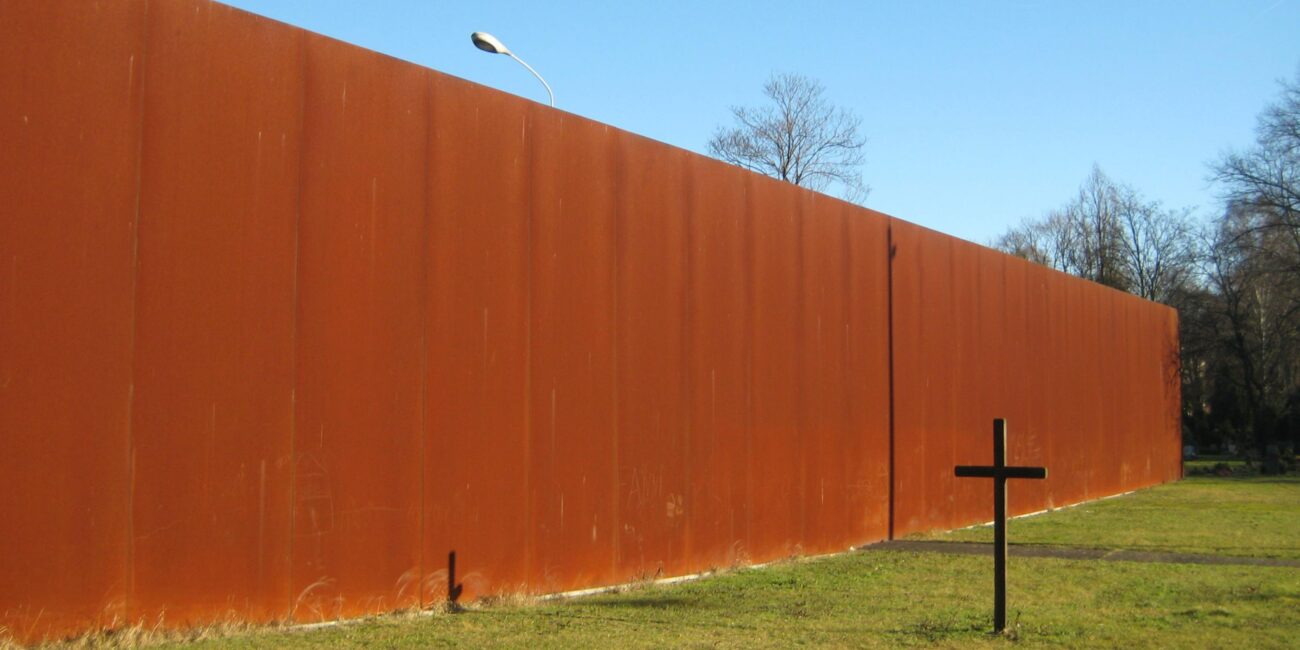
Berlin is not visited like other European capitals, because it has no historic centre: about ninety per cent of it was destroyed in 1945, then it was split in two for twenty-eight years, and what you see today is a city stitched back together on purpose without hiding the seams, choosing to leave the scars visible rather than cover them. To get your bearings you do not follow a central square: you follow the line of the Wall, marked by a double row of cobblestones running through the asphalt across the whole city.
The other thing worth knowing is that here the most important things are free: the Reichstag with the dome where the public walks above the chamber, the Holocaust Memorial, the Topography of Terror built on the Gestapo’s own ground, the complete Wall memorial on Bernauer Straße, the Sachsenhausen camp. Berlin is the cheapest capital covered on this site, by a wide margin.
In one day you cover the line of the Wall. In three you add Prussian Berlin, Charlottenburg and a day out of town. In five there is room for both Potsdam and Sachsenhausen, plus the outskirts that tell the city’s story better than the centre does: a Nazi-built airport turned public lawn by referendum, the largest Soviet memorial in the West, and the lakeside villa where the Final Solution was organised.