Palermo in 1 day: the Palatine Chapel, the Cassaro and eating standing up
Explore

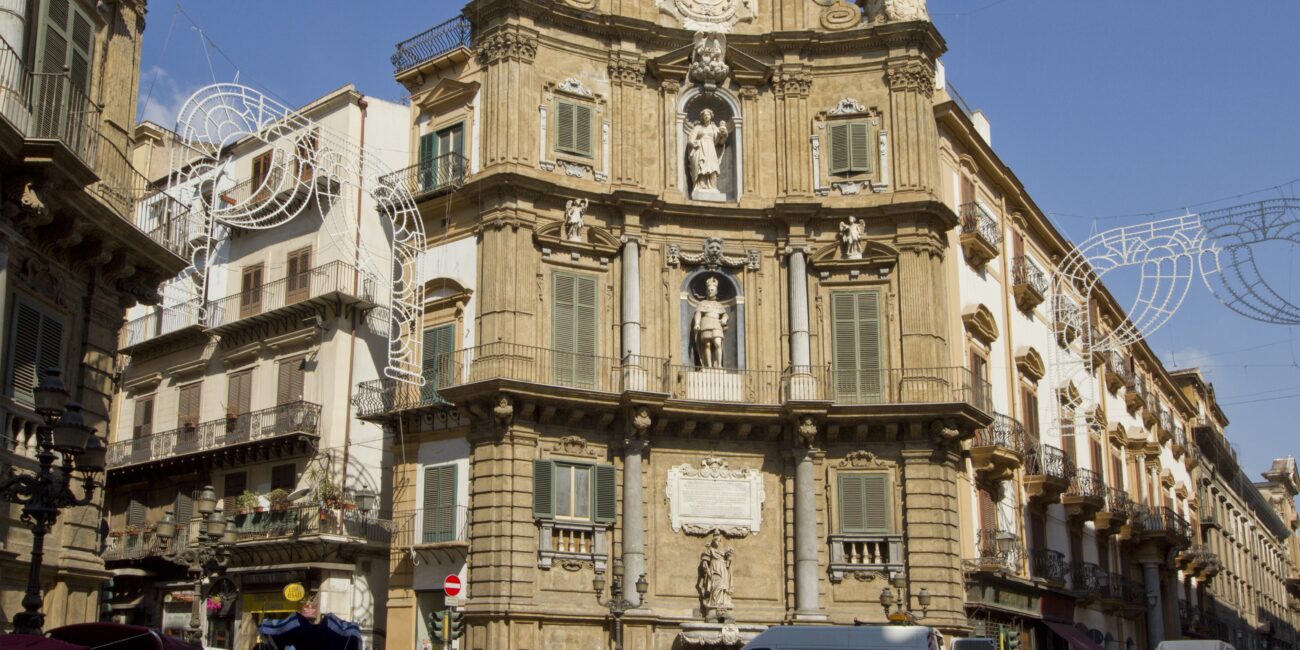
Palermo is the European city where you can see, in the same building, an Arab arch, a Norman column and a Byzantine mosaic, with none of the three having had to give way to the others. It was Phoenician, Roman, Arab for two centuries, then Norman from 1072 — and the Normans, instead of erasing what they found, kept the Muslim architects, the Greek mosaicists and the Latin masons at work on the same sites. The result has a name, Arab-Norman, exists nowhere else, and has been a UNESCO World Heritage Site since 2015, with nine monuments.
Two practical things that change the trip. First: a great many churches and all the oratories close between 1 and 1.30pm and do not reopen, and on Sunday afternoons almost everything is shut. The rule that saves your days is indoor visits in the morning, markets, walking and the sea in the afternoon. Second: here you eat standing up, and it is not a fallback — panelle, arancine, sfincione and pane c’à meusa cost five or ten euros and are the best thing the city has to offer at table.
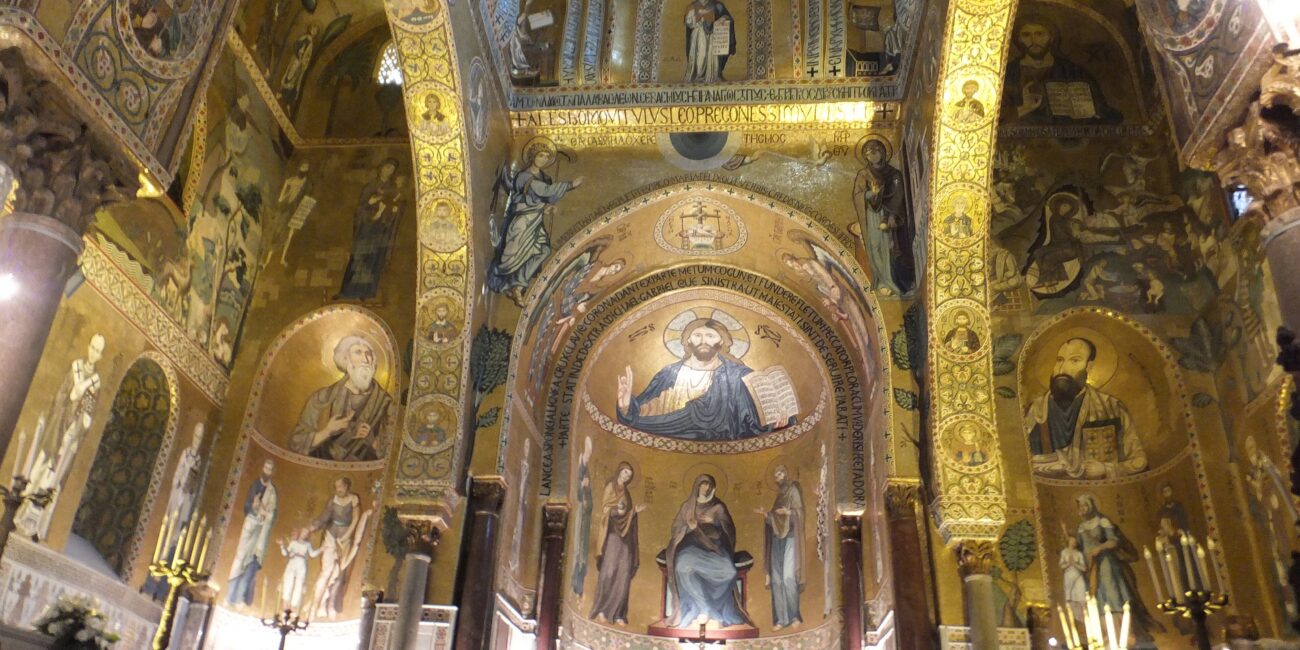
With one day you walk the spine of the old city: the Palatine Chapel, where an Islamic ceiling painted with dancers sits above Byzantine mosaics inside a Latin church; the cathedral that was once a mosque and still carries a verse of the Koran carved on its porch; the Ballarò market; the two churches on Piazza Bellini. With three you go up to Monreale, with its 6,400 square metres of mosaic and a cloister whose capitals are all different, down into the Capuchin Catacombs, and into the oratories of Giacomo Serpotta — the thing Palermitans mention first and visitors almost always skip. And then there is the sea, half an hour away by bus.