Miami in 5 days: with the Florida Keys and Key West
With five days Miami becomes the gateway to a trip, not the destination. The first three stay the same — the city and the Everglades — then you take the car and head down the Overseas Highway, a road that runs a hundred and seventy kilometers over the sea, hopping from island to island across forty-two bridges, all the way to Key West, which sits ninety miles from Cuba and is closer to Havana than to Miami. In between lies the only living coral reef in the continental United States. It’s one of the most beautiful roads in America, and you don’t forget it.
In short
- Duration · five days, based in Miami for three and then two on the Keys
- Do you need a car · yes for days 2, 4 and 5, with no alternative
- Where you sleep · three nights in Miami, then one night in Key West: doing the Keys as a day trip from Miami means eight hours of driving
- Budget · $700-1,000 per person for the five days, lodging not included
- When · November to April: clear water, few mosquitoes, no hurricanes
- Book ahead · the hotel in Key West well in advance (the island is small and pricey) and the snorkeling boat trip
- What’s left out regardless · Orlando, the Gulf Coast, the Dry Tortugas: that’s a whole other trip
The last two days are a drive to the southwest: from Miami to Key West is 270 km and four hours, bridges included.
The first three days
These stay the same as the three-day itinerary: the city, the Everglades, and historic Miami’s villas. If you’re coming from that itinerary, you can jump straight to day four.
Day 1 – The city
7 km · art deco and the beach, Wynwood, Little Havana, downtown by Metromover
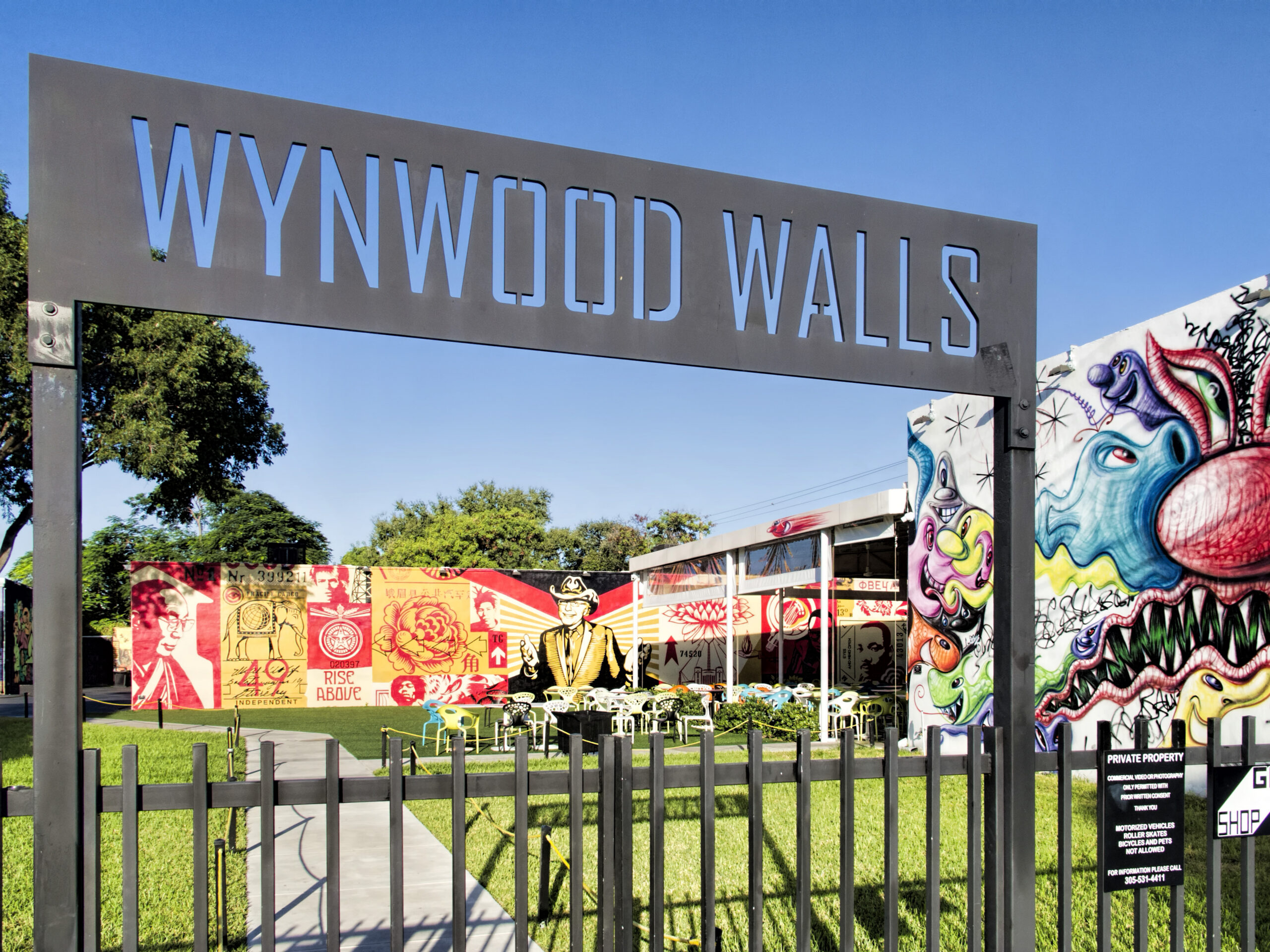
The city’s four faces in one day: the eight hundred art deco buildings of Miami Beach, the beach with its colorful lifeguard towers, the painted warehouses of Wynwood, and the Calle Ocho of Little Havana, where cafecito is drunk standing at the window.
Day 2 – The Everglades
The whole day · you need a car · Shark Valley and the Anhinga Trail

Not a swamp but a river eighty kilometers wide that flows at three centimeters per kilometer. The Shark Valley bike loop and the Anhinga Trail boardwalk are the two places where you really see the animals.
Day 3 – The villas and the lighthouse
6 km · Villa Vizcaya, Coral Gables and the Venetian Pool, sunset at Key Biscayne

The Miami of a hundred years ago: James Deering’s Venetian villa, the planned city of Coral Gables with its pool carved from a coral quarry, and the 1825 lighthouse at Key Biscayne, from which escaping enslaved people set off for the Bahamas.
Day 4 — Down the Keys, on the water
The whole day driving · 3 stops · 270 km to Key West · leave at 8 and plan for stops
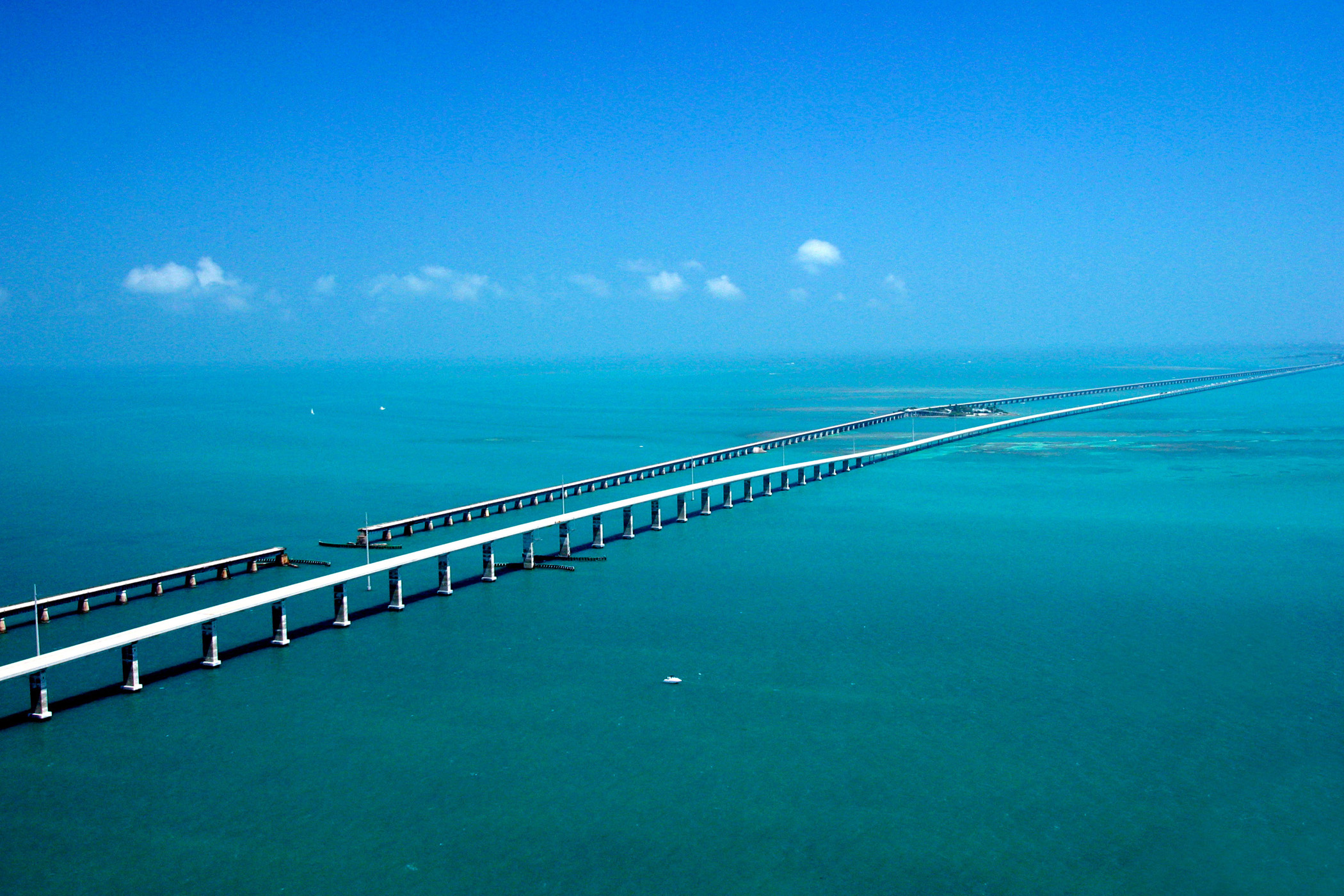
The Overseas Highway is the continuation of Route 1 and runs a hundred and seventy kilometers from Key Largo to Key West, crossing forty-two bridges over open sea. On the finest stretches there’s water on both sides all the way to the horizon: the Atlantic on the left, the Gulf of Mexico on the right.
The history of this road is incredible. It wasn’t born as a road but as a railway: Henry Flagler, Rockefeller’s partner, at seventy-five years old set himself the task of bringing trains all the way to Key West to connect with the steamers to Havana. He built it between 1905 and 1912, hundreds of workers died building it, and people called it Flagler’s Folly. It ran for twenty-three years, then the 1935 Labor Day hurricane — the most violent ever recorded in the United States, with six-meter waves — swept away the tracks and killed over four hundred people. The railway was bankrupt and was never rebuilt: the state bought the piers and laid asphalt on top. You drive on the foundations of that railway.
Addresses here don’t have street numbers but Mile Markers, the mile posts: MM 0 is in Key West and the numbers rise as you head north. People will tell you ‘we’re at MM 82’ and it will mean something.
Morning – Key Largo and the coral reef
Time 3.5 hours · Park about $9 per car · Snorkeling boat trip $40-50, book ahead · 1.5 hour’s drive from Miami

Key Largo is the first and largest of the islands, and it has something found nowhere else in the continental United States: the living coral reef, running parallel to the islands six to seven kilometers off the coast. It’s the third largest in the world.
The John Pennekamp Coral Reef State Park, opened in 1963, was the first underwater park in the United States: seventy percent of its area is water. Boats for snorkeling and diving leave from the pier; there’s also a glass-bottom boat for those who don’t want to get in the water. The most photographed thing is the Christ of the Abyss, a two-and-a-half-meter bronze statue of Christ placed on the seabed at a depth of seven meters in 1965: it’s a copy of a statue in the Ligurian Sea, at San Fruttuoso.
The boat trips leave at fixed times, generally early morning and midday, and they fill up in high season: book before you leave. When the sea is rough they’re cancelled, and that happens often in winter with cold fronts.
Afternoon – Islamorada, and the road
Time 4 hours with stops · Scenic stops free · 2.5 hour’s drive to Key West
From here on down, the journey is the road. The stops worth making, in order of mile marker:
- Islamorada (MM 82) · the sport-fishing capital, with Robbie’s Marina where you hand-feed the tarpon, silvery two-meter fish that leap out of the water
- the hurricane monument (MM 82) · a 1937 coral marker dedicated to the victims of 1935, with the ashes of three hundred people sealed inside
- Bahia Honda State Park (MM 37) · for many the most beautiful beach in the Keys, with clear water and the remains of the old railway bridge visible from the shore
- the Seven Mile Bridge (MM 47-40) · eleven kilometers of bridge over open sea. Next to it runs the old 1912 bridge, partly collapsed and partly reopened to pedestrians: you can walk out to Pigeon Key, the little island where Flagler’s workers were housed
- Big Pine Key (MM 30) · home to the Key deer, a species of deer just seventy centimeters tall, the size of a dog, found only here: fewer than a thousand remain and they cross the road. The speed limit drops, and it needs to be respected
You reach Key West in the late afternoon, in time for the sunset.
Day 5 — Key West
5 km on foot · 3 stops · the island is best explored without a car, or better yet by bike
Key West sits a hundred and fifty kilometers from Cuba and four hundred from Miami: it’s closer to Havana than to its own state capital, and you can feel it. It’s an island six kilometers long and three wide, with painted colonial wooden houses, roosters wandering the streets — they’re protected and can’t be touched — and a very clear idea of itself: in 1982, in protest against a border patrol checkpoint blocking the island’s only road, it declared independence as the ‘Conch Republic,’ surrendered after a minute, and demanded a billion dollars in foreign aid. The flag is still seen everywhere.
Morning – Hemingway’s house and the lighthouse
Time 2.5 hours · House about $20, lighthouse about $18 · on foot
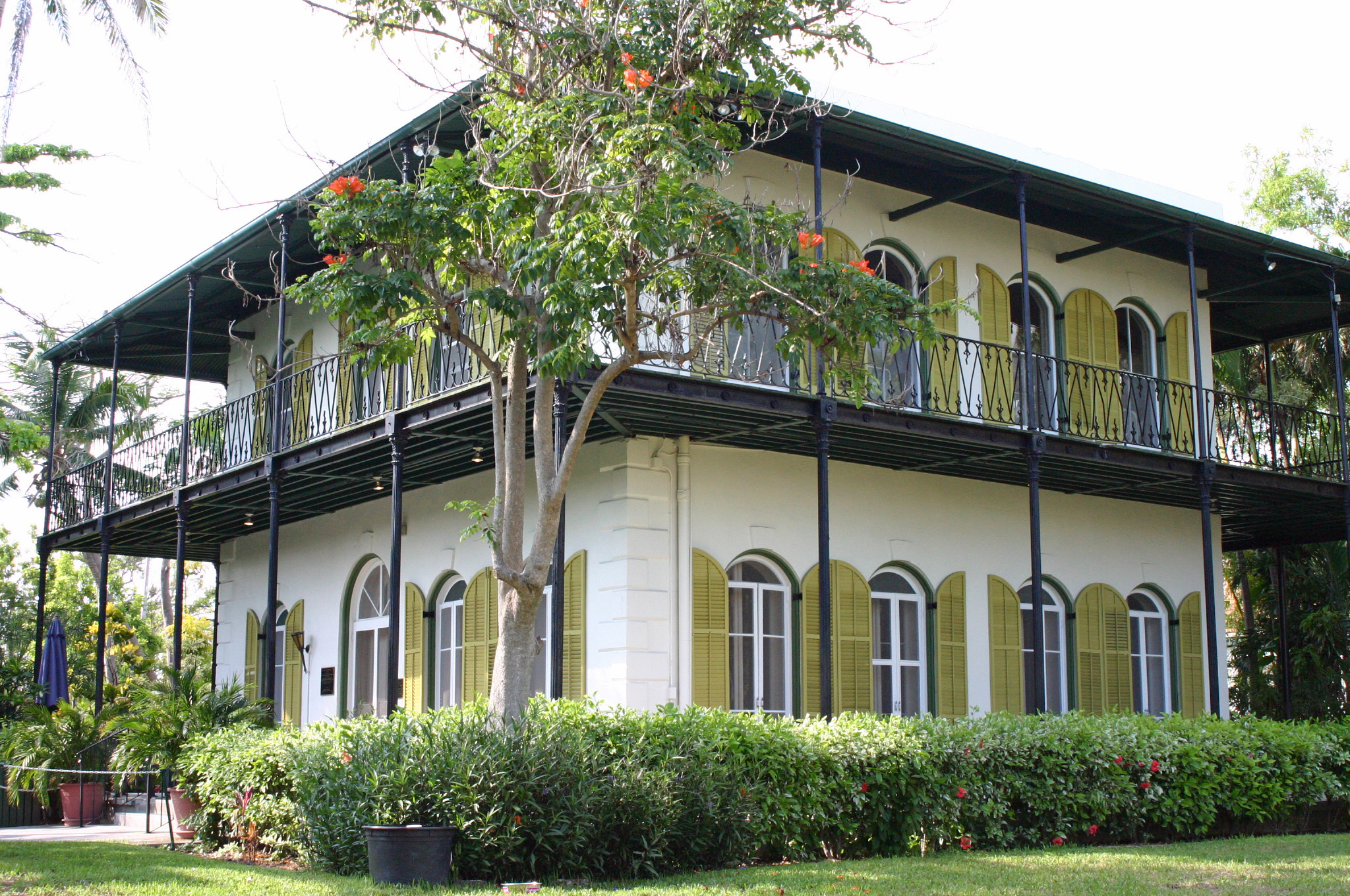
Ernest Hemingway lived here from 1931 to 1939, in the colonial villa on Whitehead Street given to him by his second wife’s uncle. He wrote Green Hills of Africa, To Have and Have Not, and The Snows of Kilimanjaro here, and had Key West’s first swimming pool built there, which cost twenty thousand 1938 dollars: on his return, furious about the bill, he took a penny out of his pocket and pressed it into the wet cement, telling his wife, ‘here, take my last penny too.’ The penny is still there.
About sixty cats live in the house, half of them polydactyl, meaning with six toes: tradition says they descend from a cat given to the writer by a ship’s captain. They all have the name of a famous person and are protected by a federal court ruling.
Across the way is the 1848 lighthouse, with eighty-eight steps and a view over the whole island: Hemingway used to say it helped him find his way home when he came back from the bars.
Afternoon – The old town and the southernmost point
Time 3 hours · Free · on foot or by bike
Key West’s historic center has one of the largest concentrations of nineteenth-century wooden houses in the United States, built by the conchs, the settlers who arrived from the Bahamas, with two-story verandas, shutters and steep roofs to collect rainwater: the island had no springs.
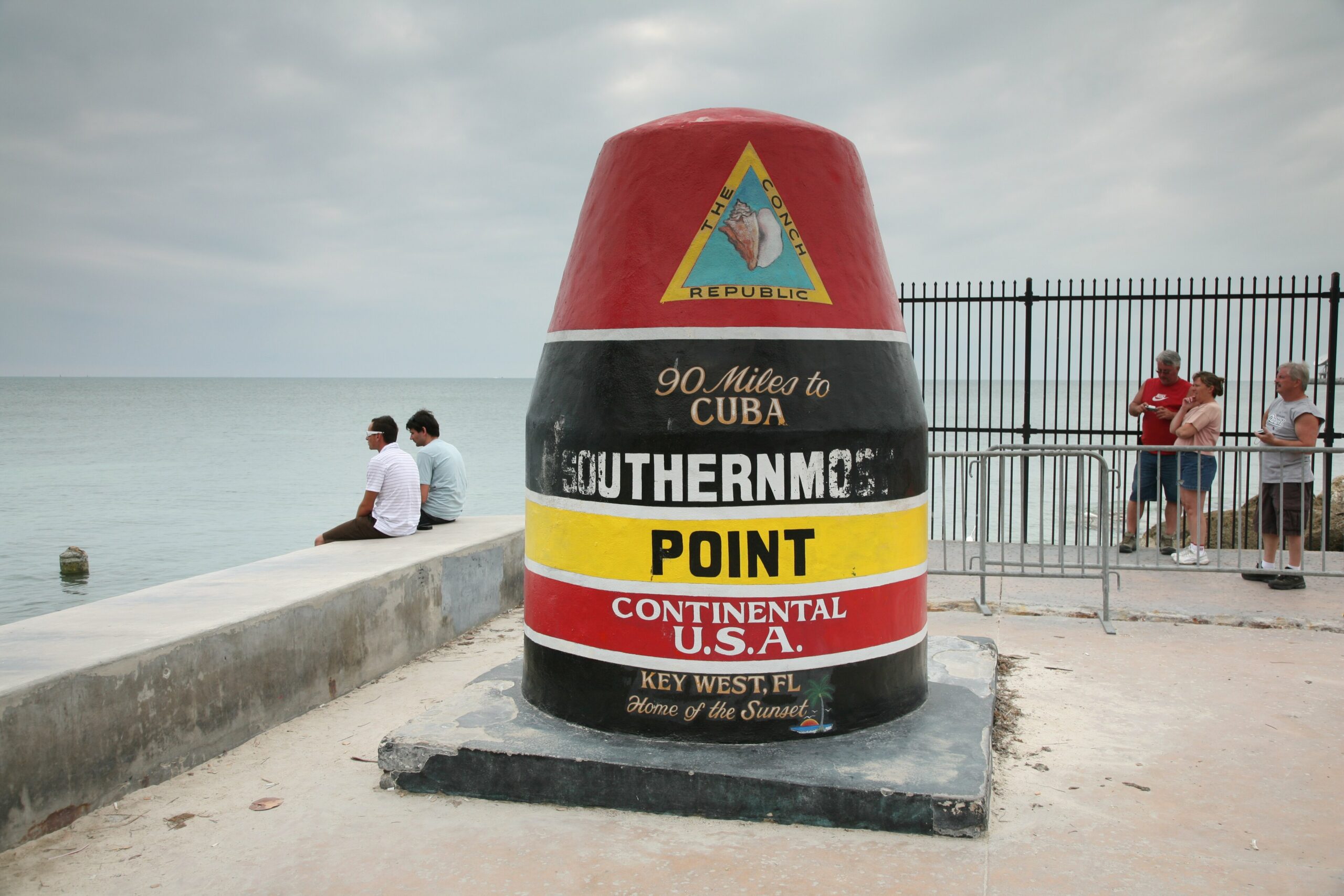
The stops: the Southernmost Point buoy, painted like a mooring marker, with a line of people waiting for the photo — the actual southernmost point is really inside a military base right next door; the cemetery, where the graves are above ground because water is found just a meter down, and the epitaphs are famous for their irony (‘I told you I was sick’); and Duval Street, a mile and a half of bars, very loud in the evening.
Evening – The Mallory Square sunset
Time 2 hours · Free · starts two hours before sunset
Every evening, on the Mallory Square pier, the Sunset Celebration is held: a daily ritual going on since the 1960s. Two hours before sunset, jugglers, fire-eaters, a man with trained cats, musicians and food stalls arrive, and at the end everyone turns west and applauds the setting sun. It’s touristy and sincere at the same time, and it’s what people remember most about Key West.
For those with an extra day: ferries and seaplanes leave from the harbor for Dry Tortugas National Park, a hundred and fifteen kilometers out at sea, with Fort Jefferson, an octagonal fortress of sixteen million bricks built in the nineteenth century and never finished. It’s a full-day trip and needs to be booked weeks in advance, but for many it’s the most beautiful spot in Florida.
If it rains, or if the sea is rough
- Day 4, the snorkeling · when the sea is rough the boat trips are cancelled, and it happens often in winter with cold fronts. Fallback: the glass-bottom boat, which goes out even in moderate waves, or the History of Diving Museum in Islamorada.
- Day 5 · Key West is the easiest day to save: Hemingway’s house, the lighthouse, the Mel Fisher treasure museum with gold recovered from the Spanish galleon Atocha, and the Truman museum at the Little White House are all indoors.
- Hurricanes · June to November. On the Keys there’s only one road: if an evacuation order is issued, leave immediately, no arguing, because afterward you’ll be stuck in traffic for hours.
- In summer · high heat and humidity, but the water is twenty-nine degrees and underwater visibility is the best of the year.
What the five days cost
| Voce | Spesa |
|---|---|
| Miami: Wynwood Walls, Vizcaya, Venetian Pool, Key Biscayne | about $74 |
| Everglades: entrance and tram or bike | about $60 |
| Car rental, 3 days with gas | 180-260 $ |
| Key Largo: park and snorkeling boat trip | 50-60 $ |
| Key West: Hemingway’s house and lighthouse | about $38 |
| Bahia Honda, Seven Mile Bridge, Mallory Square, cimitero | gratis o pochi dollari |
| Meals, 5 days | 280-450 $ |
| Total | about $690-950 per person |
Reference figures as of August 2026, in dollars, lodging not included. Two warnings about the Keys: hotels in Key West are expensive and fill up months ahead in high season; and Miami car-rental prices vary a lot depending on the time of year. The bulk of the savings, if there are two or more of you, comes from splitting the car, gas and room.
Frequently asked questions
Can you do the Keys as a day trip from Miami?
No, or rather: you could, but it doesn’t make sense. Miami to Key West is 270 kilometers and four hours of driving each way, and the road is two lanes with traffic. With two days and one night in Key West you see everything without rushing; as a day trip you drive eight hours to spend one hour on the island.
What is the Overseas Highway?
The road connecting the Keys islands for a hundred and seventy kilometers over forty-two bridges above the sea. It wasn’t born as a road but as a railway, built by Henry Flagler between 1905 and 1912 and destroyed by the 1935 hurricane: the asphalt is laid on the piers of that railway.
Where can you snorkel on the reef?
At Key Largo, in the John Pennekamp Coral Reef State Park, which in 1963 became the first underwater park in the United States. The reef runs six to seven kilometers off the coast and you get there by boat: the trips last about four hours and need to be booked. There’s also a glass-bottom boat for those who don’t want to enter the water.
What is the Christ of the Abyss?
A two-and-a-half-meter bronze statue of Christ, placed in 1965 on the sea floor at a depth of seven meters off Key Largo. It’s a copy of an Italian statue at San Fruttuoso, in the Ligurian Sea, and it’s the most photographed subject on the reef.
Is Bahia Honda worth it?
Yes: for many it’s the most beautiful beach in the Keys, and on the Keys real beaches are rare, because the reef blocks the waves and doesn’t produce sand. It’s at mile marker 37, you pay a few dollars for the car, and from the shore you can see the remains of Flagler’s old railway bridge.
Is it true that there are roosters roaming the streets in Key West?
Yes, and they’re protected: they descend from chickens kept in yards when the island lived off cigars and fishing, and they can’t be caught or disturbed. They crow at all hours, night included, and they’re the first thing tourists complain about in hotel reviews.
Why do Hemingway’s cats have six toes?
They’re polydactyl, and — according to the house’s tradition — they descend from a cat given to the writer by a ship’s captain: sailors believed they brought good luck. About sixty live in the villa, half with six toes, protected by a federal court ruling. They all have the names of famous people.
What is the Conch Republic?
In 1982 the border patrol set up a checkpoint on the only road connecting the Keys, creating miles-long lines and scaring off tourists. In protest, Key West declared independence, surrendered after a minute, and demanded a billion dollars in foreign aid. The flag is still seen everywhere, and the island jokes about it — seriously.
Do you need a car for Key West?
You need it to get there, not to get around: the island is six kilometers long, downtown is walkable and the bike is the best way to get around. In fact, downtown parking is scarce and expensive: many hotels include a bike.
How much do five days between Miami and the Keys cost?
Between $690 and $950 per person without lodging, with a three-day car rental and one boat trip included. The item that can blow the budget is the room in Key West, which is expensive in high season and sells out months ahead: book that one first.
September 6, 2026