

San Francisco in 5 days: with Napa, Sonoma and Big Sur
With five days, San Francisco becomes the base for Northern California, which is a different thing than Southern California: fewer palm trees and more fog, fewer freeways and more curves. The first three remain those of the city, Alcatraz and the redwoods. The fourth heads north among the vineyards of Napa and Sonoma, where in 1976 something happened that changed world wine. The fifth drops south on Highway 1 to Big Sur, a road hanging over the ocean that is one of the most beautiful in the world.
In summary
- Duration · five days, with a single base in San Francisco
- You need a car · for days 4 and 5 yes; for the first three no, and it’s actually a nuisance
- Budget · 650-950 dollars per person for five days, excluding accommodation
- Book in advance · Alcatraz with weeks ahead, Muir Woods, and tastings at the wineries
- Drinking and driving · in California the limit is low and checks are frequent: at the wineries you spit, or you take a tour with a driver
- When · September and October, which is also harvest season
- What’s still left out · Yosemite, Lake Tahoe, the northern coast: that’s another trip
The last two days go in opposite directions: the vineyards to the north, the coast to the south.
The first three days
They remain those from the three-day itinerary: the city, Alcatraz with hills, redwoods with the park. If you come here from there, you can skip to day four.
Day 1 – The city
9 km · Ferry Building, Chinatown, cable car, Lombard, Golden Gate, Alamo Square

The iconic spots in one day, all on foot and by public transport: the oldest Chinatown in America, a cable car ride, the bridge crossed on foot with a jacket, and Victorian houses at sunset.
Day 2 – Alcatraz and the hills
7 km · the island in the morning, North Beach and Coit Tower in the afternoon

The federal penitentiary with the audio guide featuring voices of inmates and guards, the unsolved 1962 escape and the writings from the Native American occupation of 1969. Then the Italian neighborhood, the beat bookstore and the free murals of Coit Tower.
Day 3 – Redwoods and the park
6 km · Muir Woods, Sausalito, return by ferry, Golden Gate Park
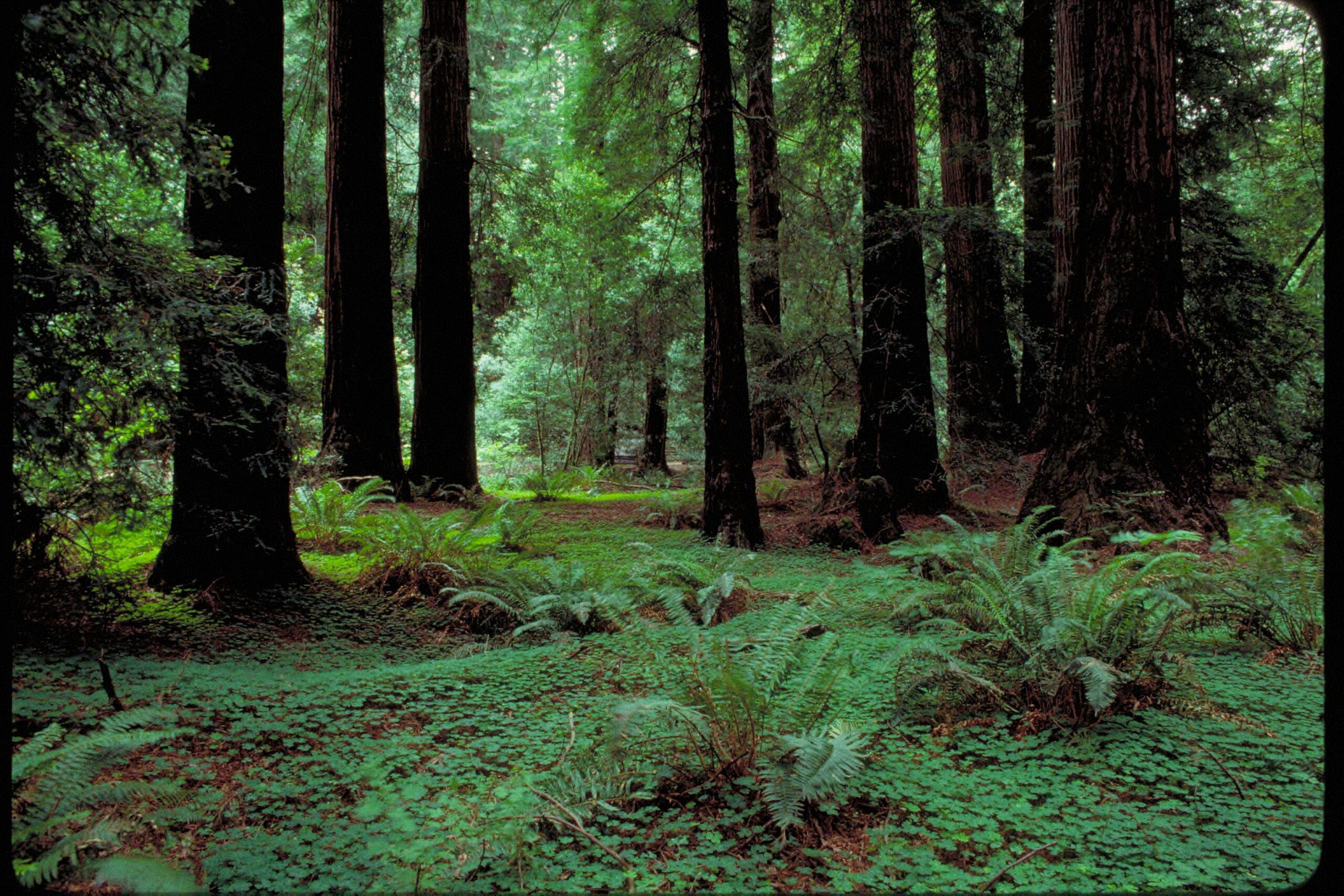
Half an hour beyond the bridge and you’re in a forest of redwoods eighty meters tall; then the town of floating houses and the return by ferry under the Golden Gate.
Day 4 — Napa and Sonoma
All day · car, 1 and a half hours · or organized tour with driver
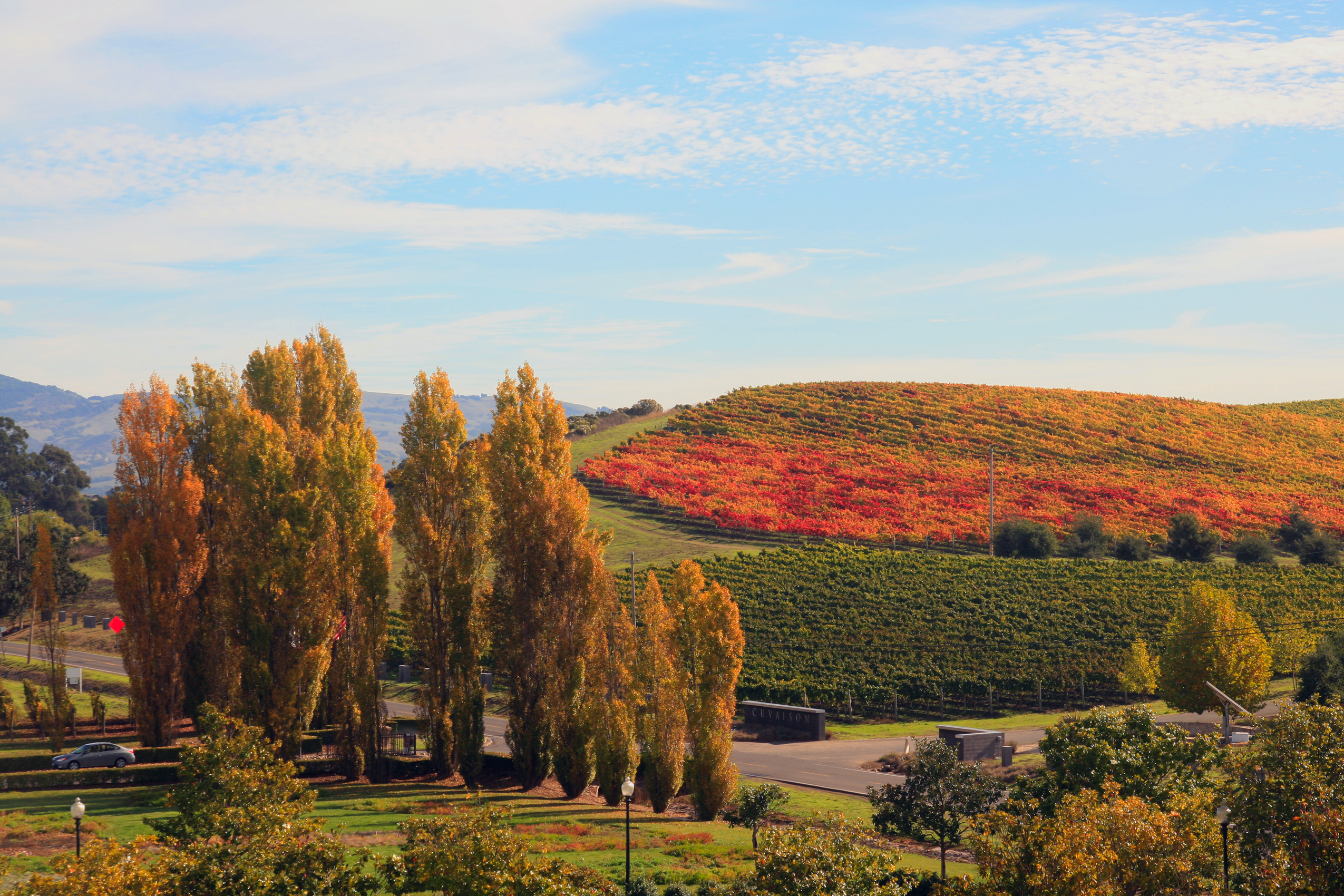
An hour and a half north of San Francisco there are two parallel valleys that changed the history of wine: Napa Valley, fifty kilometers long and eight wide, with over four hundred wineries, and Sonoma Valley next to it, wider, more varied and less expensive.
The date that matters is May 24, 1976. In Paris an English merchant organized a blind tasting between French and California wines, with an all-French jury: the Californians won in both categories, whites and reds. The episode, known to history as the Judgment of Paris, destroyed the idea that only France could make great wine and opened the road to the whole New World. A bottle of the winners is at the Smithsonian.
How to organize the day
Tastings 30-75 $ per winery, often by reservation · Two wineries a day, no more
Two practical warnings that make a difference. The first: in Napa tastings are reserved and paid, sometimes quite a bit, and you can no longer just drop in like twenty years ago; in Sonoma the atmosphere has remained more informal and prices are half. The second: two wineries in a day is the maximum sensible, with something to eat in between.
The stops worth it even for non-drinkers:
- Napa City, with the Oxbow covered market, modeled on the Ferry Building
- St. Helena and Calistoga, nineteenth-century wooden towns along the valley; at Calistoga there are hot springs and a geyser
- the wine train, which runs through the valley on an 1864 line with lunch on board: expensive and touristy, but solves the problem for drivers
- Sonoma Plaza, the largest plaza in California, where in 1846 a group of American settlers declared the California Republic for twenty-six days: the flag with the bear that is now the State flag was born there
If you drink, don’t drive: in California the limit is low and checks are frequent. There are three alternatives: spit, name a sober driver, or take an organized tour with driver (150-250 dollars per person, tastings included), or sleep one night in the valley.
Day 5 — Highway 1 and Big Sur
All day by car · 250 km to Bixby · departure at 7:30 am

Highway 1 descends from San Francisco along the ocean, and the Big Sur section — where the Santa Lucia mountains drop straight into the sea for one hundred and forty kilometers — is considered one of the most beautiful scenic roads in the world. It was completed in 1937 after eighteen years of work, partly with prison labor: before that, Big Sur residents remained isolated for half the year.
Stops, in order
Monterey 2 hours from SF · Aquarium about 60 $ · 17-Mile Drive about 12 $ per car
- Monterey · was the capital of Spanish and Mexican California. On the waterfront is Cannery Row, the row of former sardine canning factories made famous by John Steinbeck: the industry collapsed in the fifties because the sardines disappeared, fished out completely. In the largest of those factories today is the Monterey Bay Aquarium, considered the best in the United States, with a tank of a kelp forest ten meters high
- the 17-Mile Drive · a private toll road between Monterey and Carmel, with cliffs, cypress trees bent by wind and golf courses at Pebble Beach. The Lone Cypress, a solitary cypress on a rock, has been there for over two centuries
- Carmel-by-the-Sea · a village of cottages with no house numbers, no neon signs and no street lights: building codes are so strict that addresses are given by references. There were also curious rules, like needing a permit to wear high heels on uneven sidewalks. Clint Eastwood was its mayor from 1986 to 1988.
- Point Lobos · a nature reserve on a headland, with seals, sea otters and cypress trees. Robert Louis Stevenson saw it and, according to local tradition, drew the island of his novel from it
- the Bixby Creek Bridge · the single-arch bridge of 1932, one of the highest of its type in the world, which is the iconic image of the entire California coast
Those with time continue to the McWay Falls, a waterfall that falls directly onto the beach inside a turquoise cove, and to Hearst Castle, the mansion of the publishing magnate that inspired Citizen Kane. But that’s another two hours of driving: with just one day, the Bixby Bridge is a good turning point.
Two things about Highway 1. The first: it mudslides often, and entire sections can remain closed for months — check the road status the day before, because detours are very long. The second: drive south, that is in the outer lane: all the scenic pullouts are on that side and you never cross the opposite lane.
If it rains, or if there’s fog
- Day 5, Big Sur · with rain the road is dangerous and the view disappears; with heavy fog same. It’s the day to swap for first, and you should also check that the road isn’t closed due to mudslides.
- Instead of Big Sur · the Monterey Bay Aquarium alone is worth a whole day, and it’s indoors.
- Day 4 · the wineries are indoors and rain makes no difference; in fact, in low season you find space more easily and pay less.
- In the city · SFMOMA, de Young and California Academy of Sciences cover two full indoor days.
How much five days cost
| Voce | Spesa |
|---|---|
| Alcatraz, cable car, Coit Tower, de Young | about 86 $ |
| Muir Woods and ferry from Sausalitoroughly | 44 $ |
| Car rental, 2 days with gas | 160-240 $ |
| Wineries: two tastings | 60-150 $ |
| Monterey Bay Aquarium | about 60 $ |
| 17-Mile Drive | about 12 $ per car |
| Golden Gate, parchi, Carmel, Bixby Bridge, Point Lobos | gratis o pochi dollari |
| Urban transport, 3 days | about 18 $ |
| Meals, 5 days | 280-450 $ |
| Total | about 720-1,060 $ per person |
Reference figures for August 2026, in dollars. The wider range is on tastings: a single one at Napa can cost seventy-five dollars, at Sonoma thirty. If you don’t want to drive, organized tours with driver cost 150-250 dollars per person with tastings included, and all things considered it’s not much more.
Frequently asked questions
Are five days in San Francisco too many?
For the city alone yes: it’s small and you see it well in three days. But with five you add the wine valleys to the north and Big Sur to the south, which are two of the best things in California. It becomes a trip through the region, and it’s the right way to use San Francisco.
Napa or Sonoma better?
Depends on style. Napa is more famous, more structured and more expensive: tastings are reserved and can cost seventy-five dollars. Sonoma is wider, more varied and more informal, with prices about half. For just one day, Sonoma gives you more for less.
What is the Judgment of Paris?
A blind tasting organized in Paris on May 24, 1976 between French and California wines, with an all-French jury: the Californians won in both categories. The episode destroyed the idea that only France could make great wine and changed the history of the sector. A winning bottle is at the Smithsonian.
Can you drive after tastings?
Better not: in California the limit is low and checks are frequent. There are three solutions: spit, name a sober driver, or take an organized tour with driver, which costs 150-250 dollars per person with tastings included.
How long does Big Sur take from San Francisco?
About three hours to the Bixby Bridge via Monterey, and the same to return. It’s a long day: you start at seven-thirty. If you want to get to Hearst Castle or McWay Falls you need to budget a night on the coast.
Is Highway 1 always open?
No: it mudslides often, and entire sections can remain closed for months, with very long detours inland. Check the road status the day before you leave. A practical tip: drive it south, because the scenic pullouts are all on the ocean side.
Is the Monterey aquarium worth sixty dollars?
Yes: it’s considered the best in the United States, has a tank with a kelp forest ten meters high and is inside the largest former canning factory on Cannery Row. If you go with children or if the weather is bad, it alone justifies the day.
What’s strange about Carmel?
It has no house numbers, neon signs or street lights: building codes are so strict that addresses are given by references. There were also curious rules, like needing a permit to wear high heels on uneven sidewalks. Clint Eastwood was its mayor from 1986 to 1988.
Do you need a car for all five days?
No, only for the last two, and it’s better to rent it just for those: in the city a car is a nuisance, between expensive parking and thefts from windows. Muir Woods is also reached by shuttle reservation.
How much do five days between San Francisco and Northern California cost?
Between 720 and 1,060 dollars per person without accommodation, with two days of car, Alcatraz, the aquarium and two tastings. The items that move the bill the most are the wineries and rental; everything else on the coast — Carmel, Point Lobos, the Bixby Bridge — costs very little.
September 6, 2026


