London in 5 days: the complete day-by-day itinerary
With five days, London changes character: you stop chasing monuments and start using the city the way Londoners do, by neighbourhood and by park. The first three days remain those of the classic itinerary — the Thames, the royal west, the eastern markets with Greenwich. The fourth leaves the city for Windsor, the largest and oldest inhabited castle in the world, or for Kew Gardens. The fifth is the day of vertical London and green London: the City with its free panoramic terraces in the morning, Hampstead Heath in the afternoon, and sunset from the hill that shows the whole city.
At a glance
- How long · five full days
- How much walking · 6-8 km a day, 10 at Windsor and at Hampstead
- What has to be booked · the Tower of London, Windsor, and the Sky Garden, which is free but requires a booking
- Budget · €250-400 per person for the five days, excluding accommodation
- Transport · with five days, the weekly cap on your contactless card cuts the bill considerably
- Best day for the east · Sunday, for the markets
- What is still left out · Oxford, Cambridge, Bath, Brighton: day trips for a second visit
One colour per day. Windsor is off the map to the west, 35 minutes by train from Paddington.
The first three days
The first three days are those of the three-day itinerary, and they do not change: they are split by neighbourhood, which in London is the only sensible way to move around.
Day 1 – The Thames
7 km · Westminster, Whitehall, Trafalgar, the National Gallery, the British Museum, the Tower of London, Tower Bridge, the South Bank
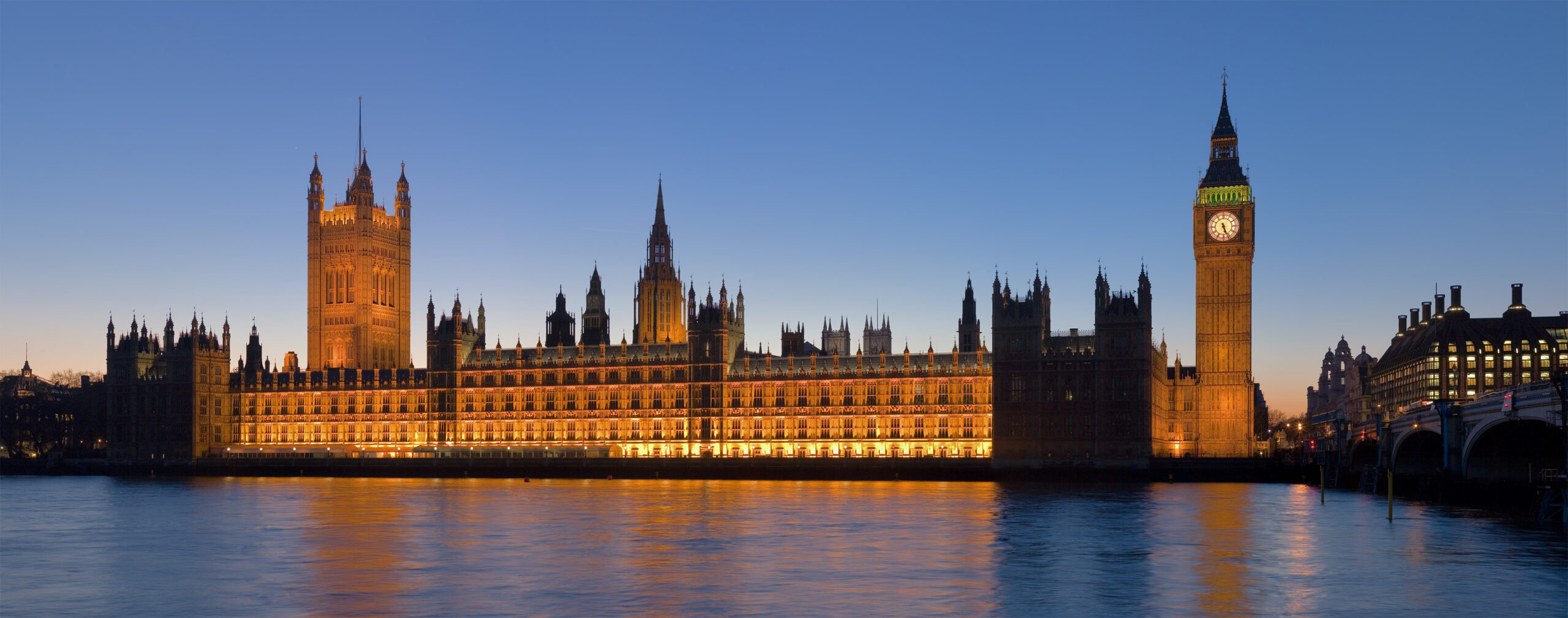
Morning at Westminster — remember Big Ben is the bell, not the tower — with Whitehall and the mounted changing of the guard at Horse Guards Parade, seen from two metres away. Afternoon in the two great free museums: the National Gallery on Trafalgar Square and the British Museum, an hour and a half each, focused.
Evening at the Tower of London, with the Yeoman Warders’ tour included in the ticket, then Tower Bridge and the walk along the south bank to Borough Market.
Day 2 – The west: the crown, parks and museums
8 km · Buckingham Palace, St James’s Park, Hyde Park, the Victoria and Albert, Notting Hill
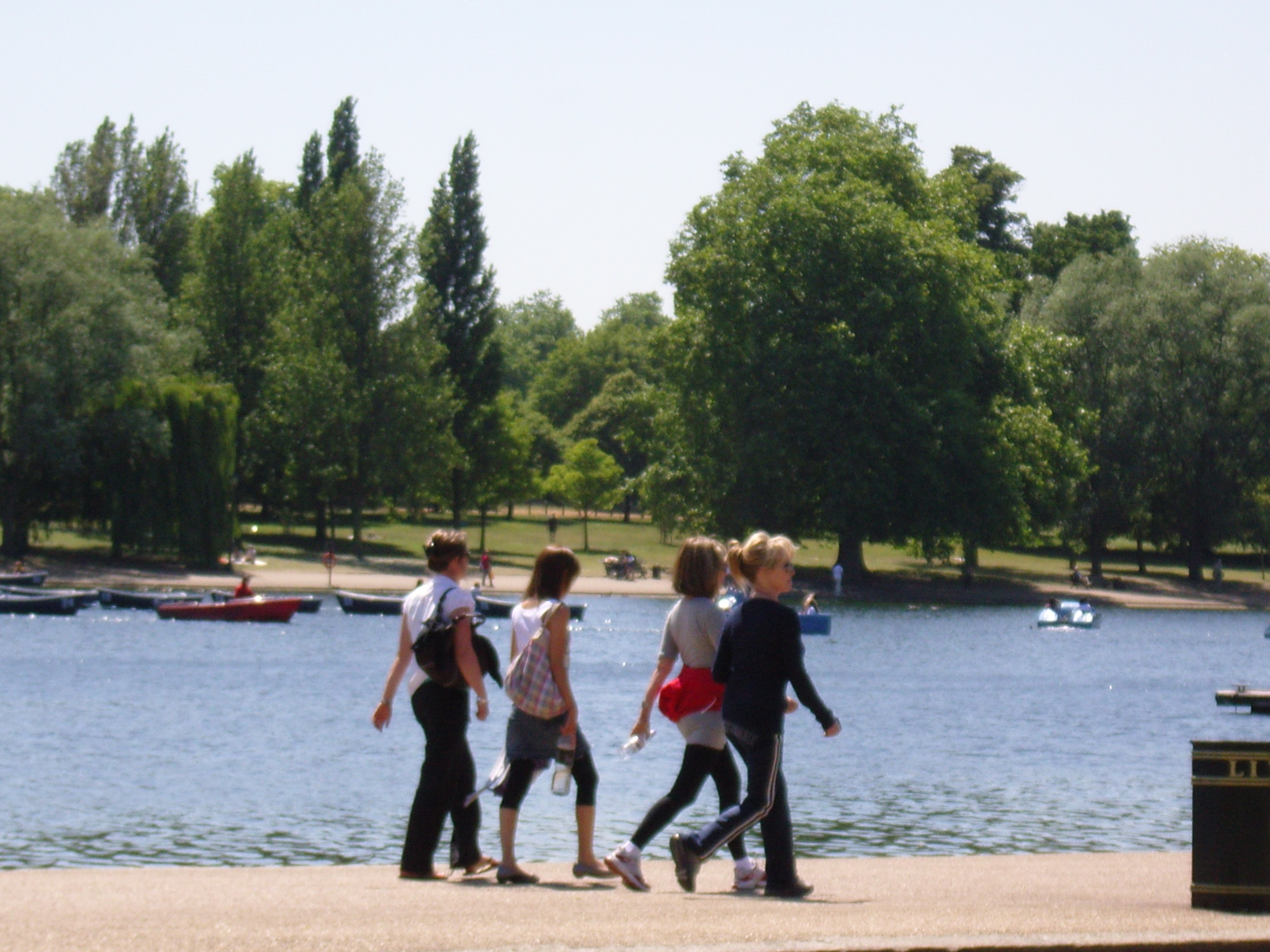
Buckingham Palace from outside — check the flag on the pole: if the Royal Standard flies, the king is in — then St James’s Park, with pelicans that have lived there since 1664. Cross the parks to South Kensington and do one museum properly: the Victoria and Albert, or the Natural History Museum with children. All free.
Evening in Notting Hill, among the pastel houses and Portobello Road, which on Saturdays hosts the largest antiques market in the world.
Day 3 – The east and Greenwich
6 km · Shoreditch and Brick Lane, Camden, Greenwich by boat

Morning in the East End, among the murals of Shoreditch and the markets of Brick Lane and Spitalfields — Sunday is the day to come —, early afternoon in Camden, then Greenwich by boat, the right way to go: the Thames Clippers are paid for with the same card as the Underground. The Prime Meridian, Wren’s Painted Hall, and sunset from the terrace in the park.
Day 4 — Windsor, or Kew Gardens
The whole day · train from Paddington or Waterloo · here you choose between a castle and a botanical garden
Windsor
6-7 hours door to door · Ticket about €35 · Train from Paddington with a change, or direct from Waterloo, 35-55 minutes · Closed on Tuesdays and Wednesdays at certain times of year: check ahead
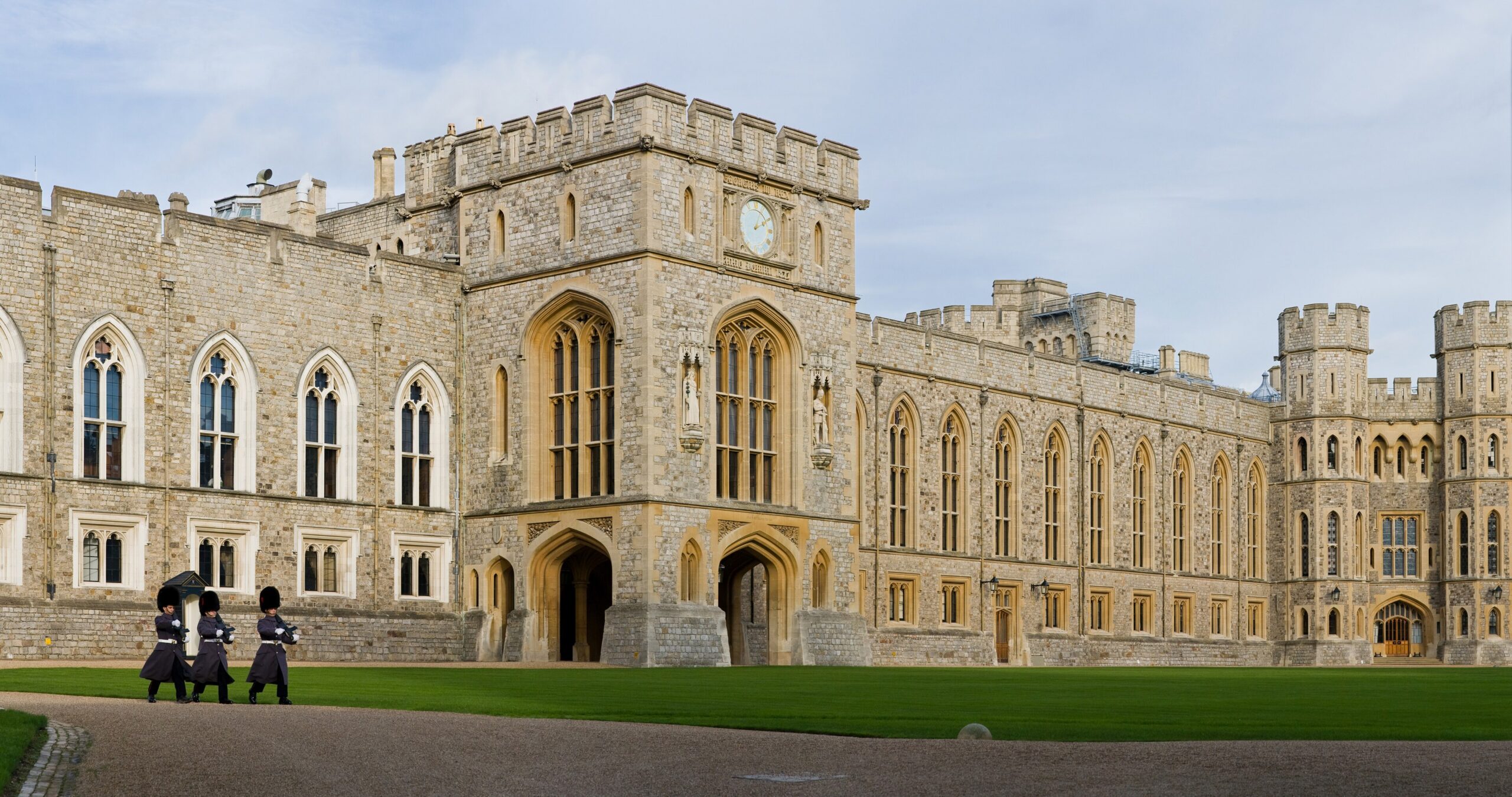
Windsor is the largest and oldest inhabited castle in the world: founded by William the Conqueror around 1070 as a wooden fortress a day’s march from London, and a royal residence without interruption ever since, close to a thousand years. Elizabeth II spent almost every weekend there and died there in 2022; she is buried in St George’s Chapel, within the walls, alongside her husband, parents and sister.
You visit the State Apartments, still used for ceremonies: St George’s Hall, with the six hundred coats of arms of the Knights of the Garter on the ceiling — some are blank, those of knights stripped of the order for treason, left empty on purpose as a warning. In 1992 a fire destroyed part of the castle, and the five-year restoration was partly funded by opening Buckingham Palace to the public in summer: that is where the practice comes from.
There is also Queen Mary’s Dolls’ House, from 1924: a 1:12 scale miniature with running water, electricity, working lifts and a library of real books written by hand by contemporary authors specifically for it. It is one of the most astonishing things you will see in England.
Outside the castle, the town of Windsor can be walked in an hour, and across the bridge is Eton, with its college founded in 1440.
The alternative: Kew Gardens
4-5 hours · Ticket about €20 · Tube District line to Kew Gardens, 40 minutes from the centre
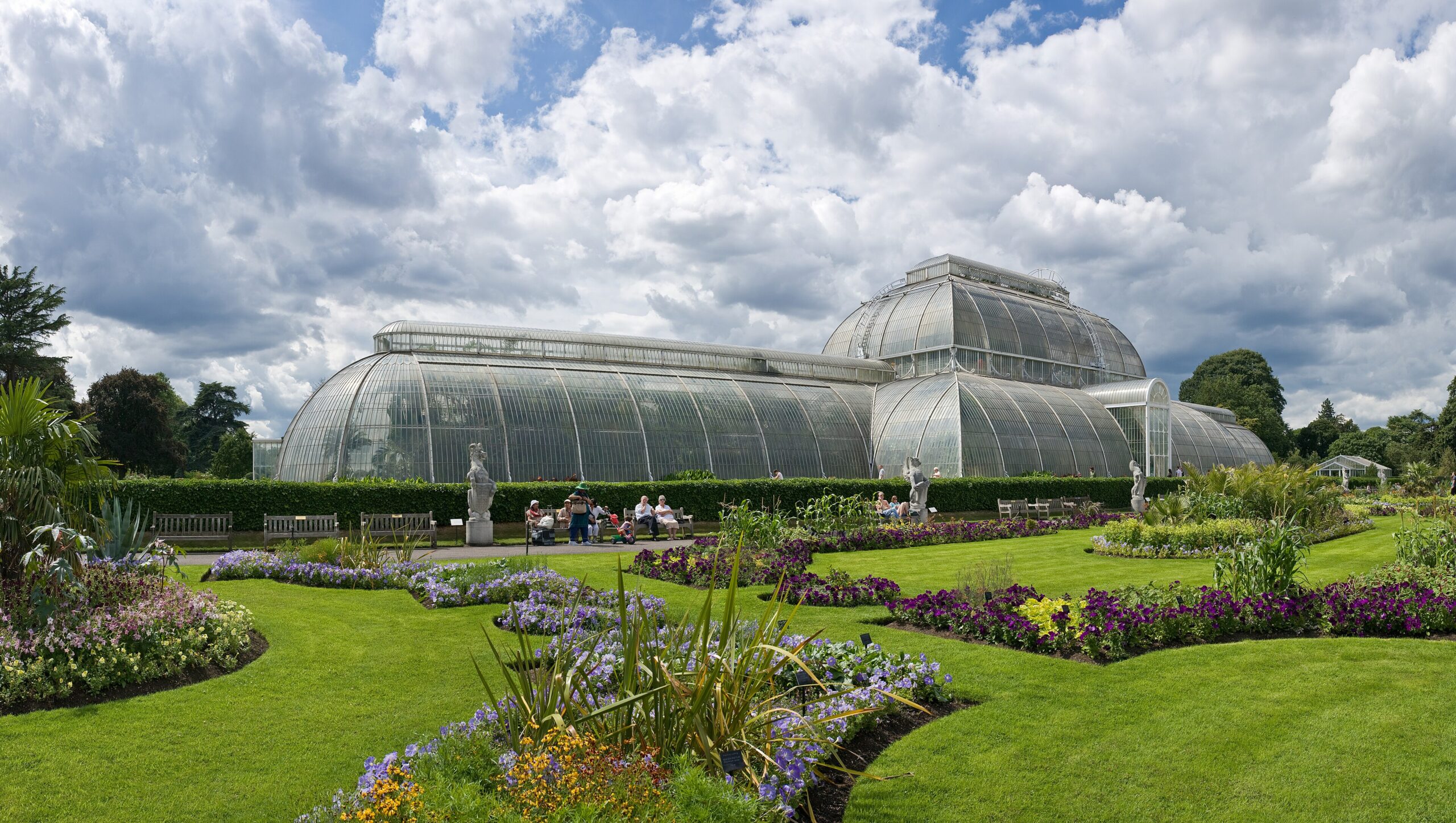
If the castle does not appeal, the Royal Botanic Gardens at Kew are the best alternative and a UNESCO World Heritage Site: 132 hectares with over fifty thousand living species, the largest botanical collection in the world. The Palm House from 1848 is a cathedral of glass and iron built using shipbuilding techniques, because no one yet knew how to build a structure like it any other way. There is a walkway suspended among the treetops at eighteen metres, and the Chinese Great Pagoda from 1762.
Kew is also a global seed bank: the Millennium Seed Bank preserves the seeds of tens of thousands of species against extinction. In spring and autumn it is the most beautiful spot in London, and it fills a whole afternoon.
Day 5 — The City from above and London from the grass
7 km · 3 stops · 10am to sunset · the cheapest day of all
Morning – The City and its free terraces
10am-1:30pm · Sky Garden free but booked in advance · Tube Monument or Bank · On weekends the City is deserted
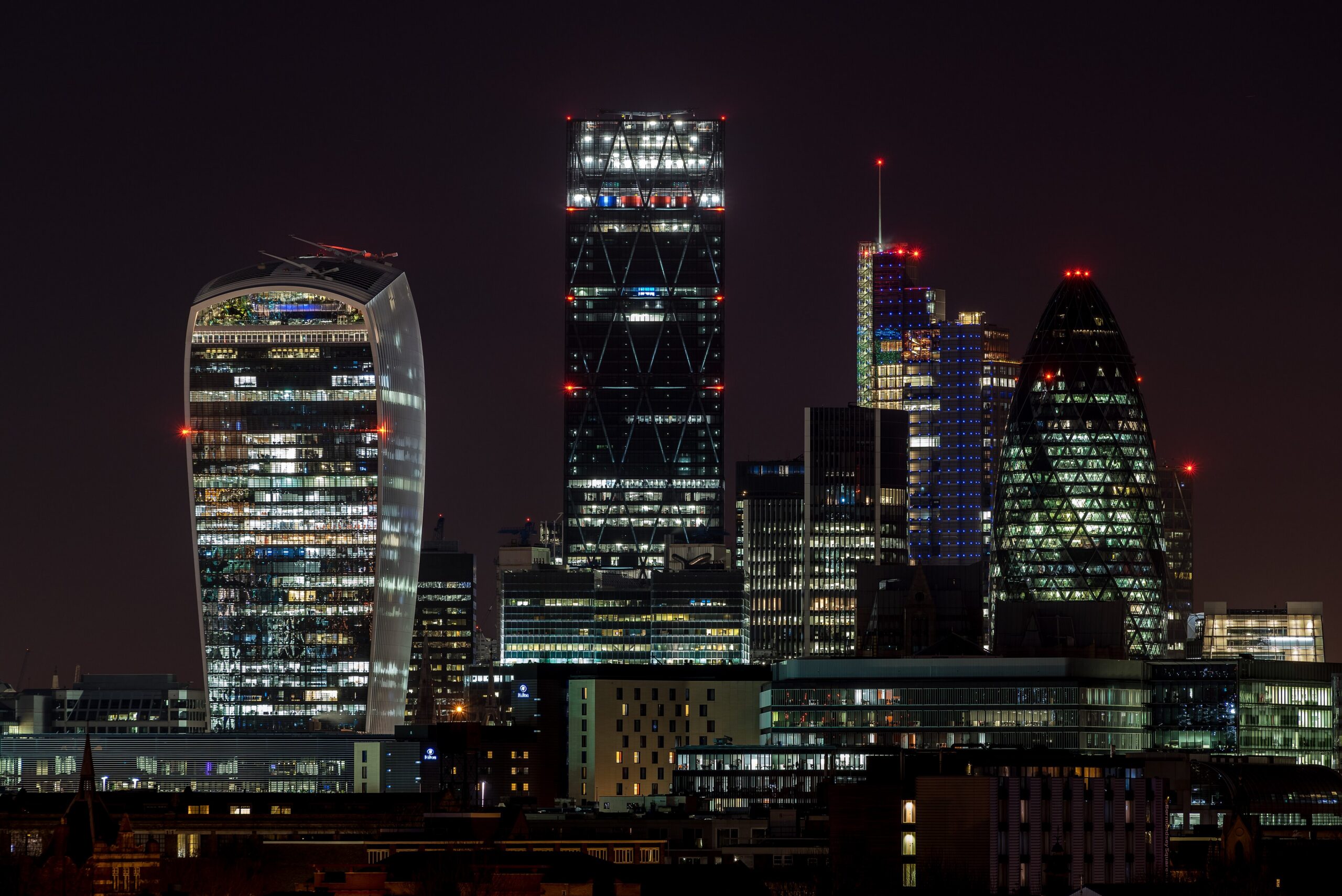
The City of London is the square mile where the city was born — it was Roman Londinium — and it is still today a separate administrative entity, with its own mayor, its own police force and its own rules. Half a million people work there and fewer than ten thousand live there: on weekdays it seethes, at weekends it is an empty film set.
The skyscrapers all have nicknames given by Londoners, a local tradition: the Gherkin, the Cheesegrater (tilted so as not to block the view of St Paul’s from Fleet Street, which is protected by law), the Scalpel, and the Walkie-Talkie, whose concave façade in 2013 concentrated sunlight and melted the plastic parts of a car parked below: sun-shading fins had to be added, and the press dubbed it the Walkie-Scorchie.
At the top of the Walkie-Talkie is the Sky Garden: three floors of tropical garden with a terrace at 155 metres, and entry is free. You have to book online, slots open about three weeks ahead and go fast. It is the best view in London that costs nothing, and it comfortably beats the Shard, which charges around thirty-five euros for something similar. Also free: the terrace at the Garden at 120 and the one at Tate Modern.
On foot in the district: the remains of the Roman wall near the Tower, the church of St Dunstan-in-the-East — bombed in 1941 and left in ruins, with plants now growing through the nave: it is a free public garden and the most beautiful spot in the City —, the green-and-gold Victorian Leadenhall Market, and the Barbican, the 1960s brutalist complex Londoners have voted both the ugliest and the most beautiful building in the city.
Early afternoon – Regent’s Park and Primrose Hill
2pm-4:30pm · Free · Tube Baker Street or Regent’s Park
Regent’s Park is the most manicured of the royal parks: at its centre are the Queen Mary’s Gardens, with twelve thousand roses of four hundred varieties, the most fragrant spot in England in June. Around it stand the white terraces designed by John Nash in the 1820s, and inside the park is London Zoo, the oldest scientific zoo in the world, opened in 1828.
At the north corner you climb Primrose Hill, little more than a grassy mound, but with the most photographed view Londoners have: the City skyline lined up, framed by the trees. It is free, you sit on the grass, and there are no tourists because it is on no one’s list.
Evening – Hampstead Heath at sunset
5pm until dark · Free · Overground to Hampstead Heath, or the Northern line to Hampstead
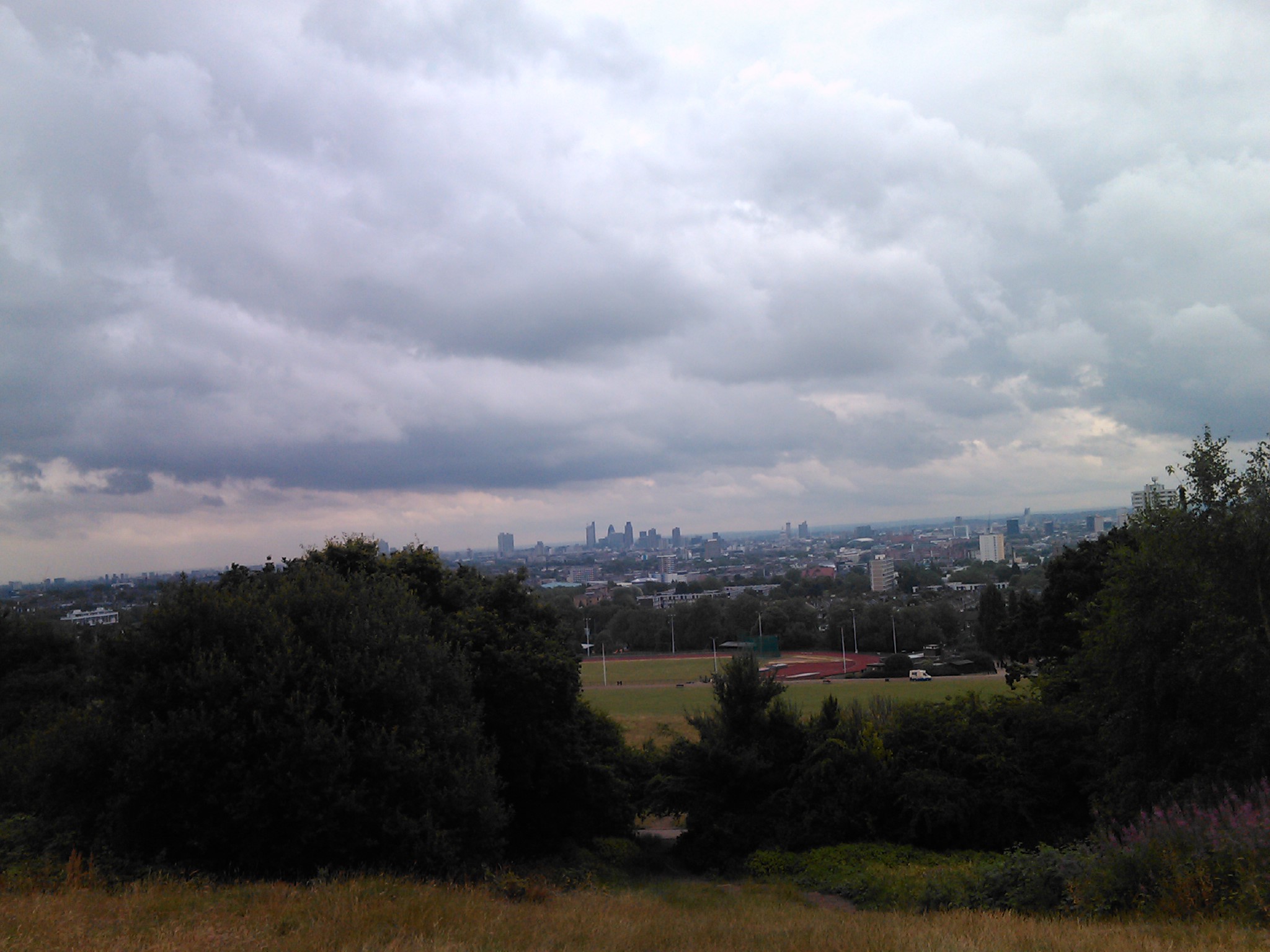
Hampstead Heath is not a park: it is a three-hundred-hectare heath that has stayed wild inside London, with woods, uncut meadows and muddy paths. It was saved in the nineteenth century by a twenty-year legal battle against a landowner who wanted to develop it, and since then it has been legally protected from building.
There are three bathing ponds — one for men, one for women, one mixed — open all year, even in January, and people genuinely swim in them. At the top is Parliament Hill, from which the whole of London lies spread out: the City to the right, the Shard, St Paul’s, the BT Tower. The view is protected by law, meaning nothing can be built to block it.
On the north edge of the heath is Kenwood House, an eighteenth-century villa with an art collection given to the nation: entry is free, and inside are a Rembrandt self-portrait and a Vermeer. Two absolute masterpieces in a country house where there is almost no one, and it is the best way we know to end five days in London.
The village of Hampstead, down from the hill, has sloping streets, Georgian houses and some of the oldest pubs in the city: the Spaniards Inn dates from 1585, Dickens and Keats drank there, and the ceiling is still as low as it was then.
If it rains
- Day 4 · Windsor copes well with rain, because the State Apartments are indoors and the visit is entirely inside. Kew does not: the glasshouses cover an hour, the rest is outdoors. If it rains, choose Windsor.
- Day 5 · the most exposed day. Alternatives: the Museum of London Docklands (free), Sir John Soane’s Museum in Holborn — free, an architect’s house left as it was, packed with artefacts to the ceiling —, and the Wallace Collection near Oxford Street, free, with a covered courtyard where you can have tea.
- Always works · the Sky Garden works in the rain too: it is a garden under a glass dome, and watching low clouds from 155 metres is a spectacle of its own.
What the five days cost
| Item | Cost |
|---|---|
| National museums (British Museum, National Gallery, V&A, Tate, Natural History), Sky Garden, Kenwood House, parks | free |
| Tower of London | about €40 |
| Westminster Abbey, if you go in | about €30 |
| Greenwich Royal Observatory and boat | about €40 |
| Windsor, ticket and train | about €55 |
| City transport, 5 days with cap | €45-50 |
| Meals, 5 days | €150-230 |
| Total | about €250-400 per person |
Reference figures as of August 2026, converted from pounds: check official websites and factor in the exchange rate. Over five days the gap between paying for everything and using what is free tops two hundred euros: national museums, royal parks, the Sky Garden, Kenwood House and the panoramic terraces cost nothing. The London Pass only pays off at three or four paid attractions a day.
Frequently asked questions
Is five days too many for London?
The opposite: London is one of the few European capitals where five days is not too much. This itinerary covers the classic three days, a day trip to Windsor or Kew, and a day devoted to the City from above and the green hills, the London tourists almost never see. Oxford, Cambridge, Bath and Brighton are left out, all reachable in a day.
Windsor or Kew Gardens?
Windsor if English history interests you: it is the oldest and largest inhabited castle in the world, occupied without interruption for nearly a thousand years, and Elizabeth II is buried there. Kew if you prefer open air and plants: 132 hectares, the largest botanical collection in the world, a UNESCO site. If it rains, choose Windsor, which is an indoor visit.
How do you visit the Sky Garden, and what does it cost?
It is free, but you need to book online: slots open about three weeks ahead and go fast, so set an alarm. It is three floors of tropical garden with a terrace at 155 metres atop the Walkie-Talkie skyscraper, and the view beats the Shard, which charges around thirty-five euros for something similar.
What is the best spot to see London from above for free?
The Sky Garden, free with a booking. Then the terrace at the Garden at 120 and the one at Tate Modern, both open with no booking. Outdoors and needing none at all: Primrose Hill and Parliament Hill in Hampstead, from which the whole skyline is visible and the view is legally protected.
What exactly is the City of London?
A square mile with its own administration, separate from the rest of London: its own mayor, its own police force and its own rules, and the core of Roman Londinium. Half a million people work there and fewer than ten thousand live there, so it is frantic on weekdays and deserted at weekends. Its skyscrapers all have nicknames: the Gherkin, the Cheesegrater, the Walkie-Talkie.
Can you do Oxford or Cambridge as a day trip from London?
Yes: Oxford is an hour by train from Paddington, Cambridge fifty minutes from King’s Cross. Both are valid alternatives for day 4 if you prefer a university city to a castle. Bath (an hour and a half) and Brighton (an hour) also work as day trips, but with only five days they are one addition too many.
How much do five days in London cost?
Between €250 and €400 per person excluding accommodation. The gap between the two figures depends almost entirely on paid attractions: national museums, royal parks, the Sky Garden and Kenwood House are free, and with just one paid attraction a day the total stays low. Accommodation is the item that decides everything.
Is Hampstead Heath worth the trip?
It is the spot we recommend most for a fifth day. Three hundred hectares of wild heath inside London, with ponds where people swim all year and the view from Parliament Hill over the whole city. On its edge is Kenwood House, free, with a Rembrandt self-portrait and a Vermeer hanging in a country house where there is almost no one.
Is the weekly transport cap worth it?
Over five days the weekly cap on your contactless card kicks in automatically, and it is cheaper than the sum of the daily caps. You do not need to do anything: just keep tapping the same card in and out. Note that the weekly count runs Monday to Sunday.
What to see if I have already done everything?
Highgate Cemetery with Marx’s grave, the free Wallace Collection, Sir John Soane’s Museum, the Museum of London Docklands, a match at Lord’s or the Oval if you are there in summer, and an evening at the theatre in the West End: last-minute tickets at the TKTS booth in Leicester Square cost half price.
September 7, 2026