Montreal in 3 days: the Olympic park, the markets and the Expo islands
Three days in Montreal serve to discover that it’s not just the French old town of postcards. The first day is the classic one: cobblestones, basilica, mountain. The second goes east, to the 1976 Olympic park, which is a piece of science fiction architecture that cost so much that citizens finished paying for it in 2006, thirty years later; and into the neighborhoods where shopping is done, from the Jean-Talon market to Little Italy. The third crosses the river and goes to the islands of the 1967 Expo, where a geodesic dome by Buckminster Fuller remains.
In summary
- Duration · three full days, from 9 to 10 p.m.
- How much we walk · 7-9 km per day; only Mount Royal has a true climb
- Transport · metro and bus; the three-day ticket is worth it, about $25 CAD
- Budget · $300-450 CAD per person for three days, accommodation excluded
- Need to book · nothing mandatory, but the Biodôme fills up on weekends
- When · from May to October; summer is the festival season, one after another from June to August
- What’s left out · Quebec City and the Laurentides: these are the fourth and fifth day
One color per day. Everything is reachable by metro, islands included.
Day 1 — The old city and the mountain
9 km · from 9 to 10 p.m. · it’s the one-day itinerary, without cuts

Morning in Old Montreal, among the cobblestones, the Marché Bonsecours and the sailors’ chapel, with Notre-Dame Basilica that is gray from outside and midnight blue inside. Mid-day the downtown and the thirty-two kilometers of the underground city. Afternoon climbing Mount Royal, the hill designed by Olmsted, with the belvedere overlooking the city. Evening in the Plateau and Mile End, among the spiral external stairs, hot bagels at midnight and restaurants where you bring the wine.
Day 2 — The east Olympic and markets
7 km · 3 stages · from 9:30 to 10 p.m. · all by metro
Morning – The Olympic park
Time 3 hours · Tower funicular about $25 CAD, Biodôme about $22 · Metro Viau or Pie-IX
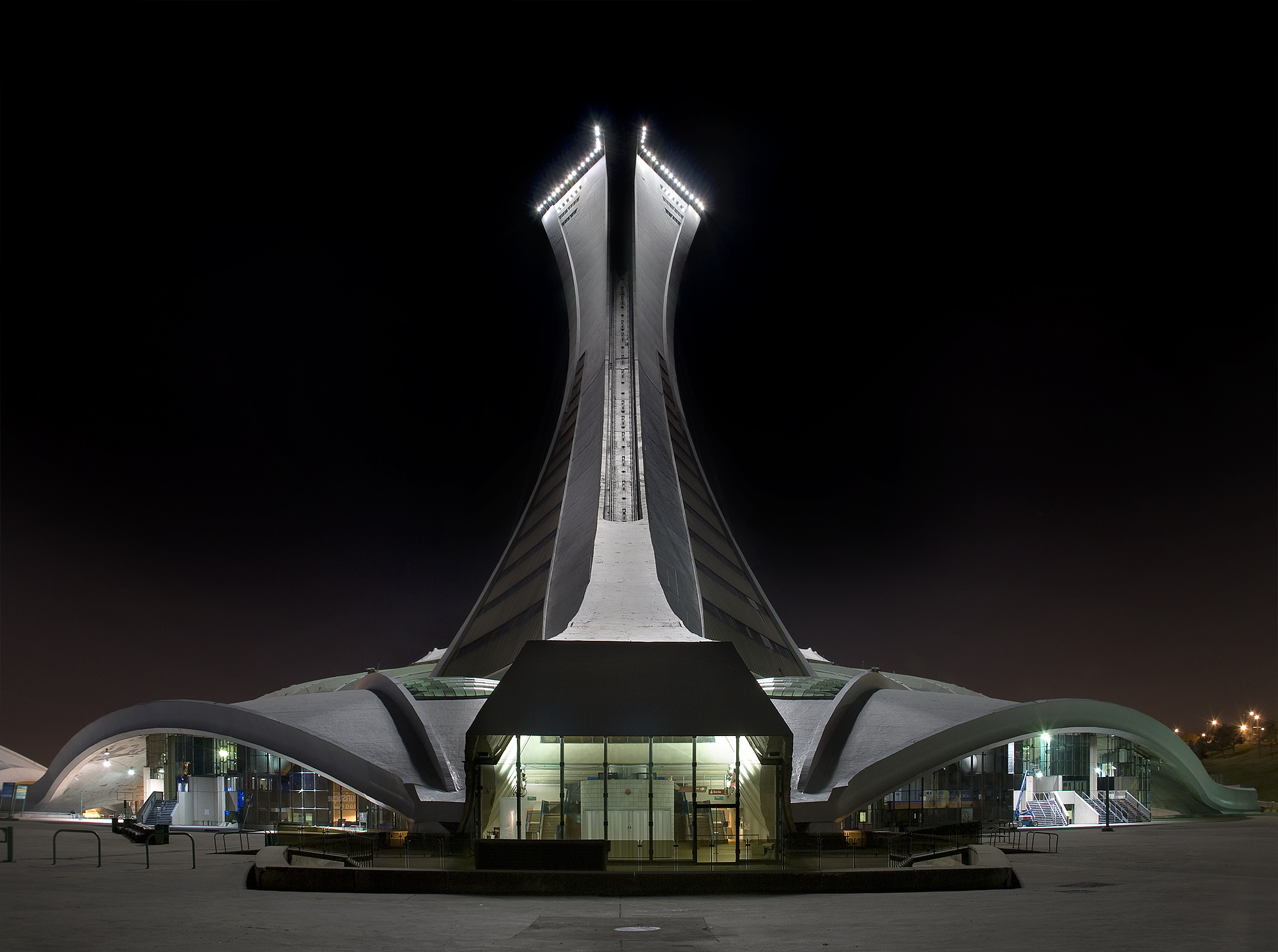
The Olympic park of the 1976 Games is the most divisive thing in Montreal, and that’s why it’s worth visiting. The Olympic Stadium, designed by Frenchman Roger Taillibert, was supposed to have a retractable kevlar roof lifted by the tower; the roof arrived ten years late, never worked well and collapsed under snow in 1999. The cost, projected at 134 million, reached over a billion and a half: Québecers finished paying for it in 2006, thirty years after the Games, and in the meantime the stadium earned the nickname Big O, which some pronounce Big Owe, the big debt.
The leaning tower is 165 meters high and is the world’s highest leaning tower: you climb it with a funicular that runs along the curved side, and from the top you can see the entire island. It’s a 1970s science fiction machine, and seen in person it’s impressive.
Next to it is the Biodôme, built in the former Olympic velodrome: inside, five ecosystems of the Americas have been reconstructed — the tropical forest, the maple forest of Quebec, the Gulf of St. Lawrence, the sub-Antarctic and Arctic coasts — with the animals that live there, from penguins to otters. In an hour and a half you pass from thirty degrees humid to the cold of the ice: with children it’s the best thing in the city.
Afternoon – The Botanical Garden
Time 2.5 hours · Ticket about $23 CAD · on foot from the Olympic park
The Jardin botanique of Montreal is among the largest in the world: seventy-five hectares and about thirty thematic gardens. The two that are worth the ticket by themselves are the Japanese garden, with the tea pavilion and bonsai, and especially the Chinese garden, the largest outside Asia: it was built in 1991 by craftsmen who came from Shanghai, with materials brought from China and traditional techniques, without nails.
If you’re there in September or October, in the evening there’s the Garden of Lights: hundreds of illuminated Chinese silk lanterns along the paths. They build them in Shanghai and ship them each year.
Evening – Jean-Talon and Little Italy
Time 3 hours with dinner · Free · Metro Jean-Talon · the market closes in late afternoon

The Jean-Talon market is one of the largest outdoor markets in North America and has been open since 1933, year-round: in winter the stalls remain, under the awnings, even at twenty below zero. It’s the place where you understand agricultural Quebec: apples, maple syrup in all grades, cheeses, and in autumn pumpkins and blueberries.
It’s within Little Italy, the neighborhood of Italian immigrants who arrived between the nineteenth and twentieth centuries: there’s the Church of the Madonna of Defense, from 1919, with a fresco that depicts Mussolini on horseback — it was painted in 1933, when the Vatican had just signed the Lateran Treaties, and has never been removed; today there’s a panel explaining its context. For Italians passing through here it’s a curious visit, with uncomfortable undertones.
Around it, you dine well and at honest prices: here they really speak Italian, and the historic cafés make a decent espresso, which is not a given in North America.
Day 3 — Museums and islands
6 km · 3 stages · from 10 to 10 p.m.
Morning – Pointe-à-Callière, under the city
Time 2 hours · Ticket about $26 CAD · Metro Place-d’Armes
Pointe-à-Callière is Montreal’s archaeology museum and is built over the exact spot where the city was founded in 1642: you descend below street level and walk among the true foundations, the first Catholic cemetery, the remains of the first marketplace and a section of the seventeenth-century sewer collector, which is a stone gallery passable for about a hundred meters.
It’s the best way to understand something that escapes from above: Montreal was not born as a commercial city but as a religious mission, and for the first decades was a besieged outpost, with about a hundred inhabitants.
Afternoon – The islands of the Expo
Time 3 hours · Biosphere about $22 CAD, park free · Metro Jean-Drapeau, one stop under the river
In 1967 Montreal hosted the Expo, and to do so it built two islands in the middle of the St. Lawrence River with the earth dug for the metro: fifteen million tons of rock, used to expand Sainte-Hélène Island and to create a brand new one, Île Notre-Dame. The Expo was a huge success — fifty million visitors — and is still the moment when Montrealers say the city felt at the center of the world.
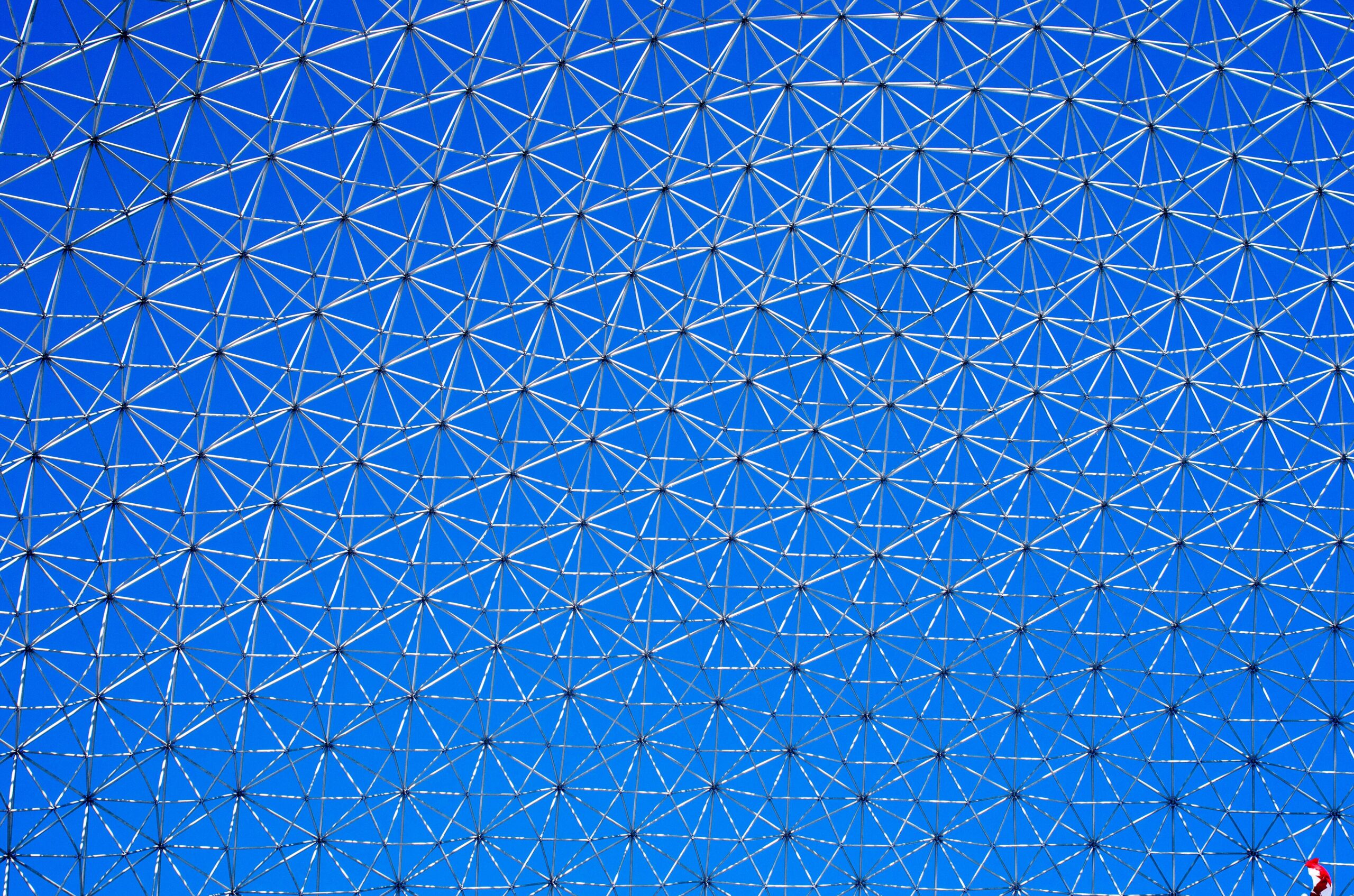
The United States pavilion was a geodesic dome seventy-six meters in diameter designed by Buckminster Fuller. In 1976 a fire during construction burned the acrylic casing in half an hour, leaving only the steel skeleton standing: so it remains, and today it hosts an environmental museum. Seen from inside, that network of triangles against the sky is one of the most beautiful images of the city.
On the other island is the Gilles-Villeneuve circuit, where the Canadian Grand Prix is held: when there are no races it’s open to anyone, and you go there to run and cycle on the Formula 1 asphalt. There’s also the island beach, with water filtered naturally.
Evening – Museum of Fine Arts and the Main
Time 3 hours with dinner · Permanent collection about $24 CAD · Metro Guy-Concordia
The Musée des beaux-arts is Canada’s oldest museum, from 1860, and occupies five pavilions connected on both sides of rue Sherbrooke. It has a good European collection, but what makes it different is the section on Inuit and First Nations art, which is among the most important in the world and tells a story that in Europe is barely known.
Finally, a walk on boulevard Saint-Laurent, which Montrealers call the Main: it’s the street that historically divided the French city to the east from the English city to the west, and is where all waves of immigrants stopped, Eastern European Jews, Portuguese, Greeks, Chinese, Latin Americans, one after another. Today it’s the street of locals, and the civic numbers still tell those stratifications.
If it rains, or if it’s very cold
- The underground city · thirty-two kilometers of galleries under downtown: the structural plan B of Montreal, and you cross half the city without a coat.
- Day 2 · the Biodôme and the botanical garden greenhouses are indoors and warm, and fill an entire day by themselves.
- Day 3 · the islands are the only truly outdoor stage: in the rain replace them with the Canadian Centre for Architecture or the McCord museum of social history.
- In winter · from December to March it reaches twenty below zero and the islands are difficult. In exchange there’s ice skating at the old port and at Beaver Lake, on Mount Royal.
How much three days cost
| Voce | Spesa |
|---|---|
| Basilica di Notre-Dame | circa 16 $ CAD |
| Torre olimpica e Biodôme | circa 47 $ CAD |
| Giardino botanico | circa 23 $ CAD |
| Pointe-à-Callière | circa 26 $ CAD |
| Biosfère | circa 22 $ CAD |
| Museo delle Belle Arti | circa 24 $ CAD |
| Mount Royal, markets, islands, neighborhoods | | free |
| Trasporti, 3 giorni | circa 25 $ CAD |
| Pasti, 3 giorni | 150-230 $ CAD |
| Totale | circa 330-430 $ CAD a persona |
Reference figures for August 2026, in Canadian dollars. If you do three or four museums, look at the Espace pour la vie pass, which holds the Biodôme, botanical garden, planetarium and insectarium at a single price. Like everywhere in Canada, taxes are added at checkout and at the restaurant you leave 15-20%.
Frequently asked questions
Three days are enough for Montreal?
Yes, and it’s the right length: one for the old city and the mountain, one for the east Olympic and markets, one for museums and the Expo islands. What’s left out is not Montreal but Quebec: Quebec City and the Laurentides, which are the fourth and fifth day.
Is the Olympic park worth it?
Yes, and not for sports: the 1976 Stadium is a piece of science fiction architecture with the world’s highest leaning tower, 165 meters, which you climb in a funicular. It’s also an instructive story: it cost ten times the planned budget and Québecers finished paying for it in 2006.
What is the Biodôme?
The former Olympic velodrome transformed into a living museum: inside five ecosystems of the Americas have been reconstructed, from tropical forest to Arctic coasts, with the animals that live there. In an hour and a half you pass from thirty degrees humid to the cold of the ice. With children it’s the best stop in the city.
What is the Biosphere?
The geodesic dome designed by Buckminster Fuller as the United States pavilion at the 1967 Expo. In 1976 a fire burned the acrylic casing and left standing only the steel skeleton: so it remains, and today it hosts an environmental museum.
How were the islands in the middle of the river created?
With the earth dug to build the metro: fifteen million tons of rock used to expand Sainte-Hélène Island and to create a brand new one, Île Notre-Dame, in view of the 1967 Expo. Today there are a park, the Biosphere, a beach and the Formula 1 circuit.
Is the Jean-Talon market open in winter?
Yes, it’s been open year-round since 1933, even at twenty below zero: the stalls remain under the awnings and the covered part is heated. It’s the right place for maple syrup, Quebec cheeses and, in autumn, pumpkins and blueberries.
Is there a Little Italy in Montreal?
Yes, around the Jean-Talon market, and it’s a historic community that arrived between the nineteenth and twentieth centuries. In the Church of the Madonna of Defense there’s a 1933 fresco depicting Mussolini on horseback: it has never been removed, and today a panel explains its context.
Is a multi-day ticket worth it for transport?
Yes, it’s worth it: the three-day one costs about $25 Canadian dollars versus $3.75 for the single trip, and with this itinerary you make four or five trips per day. The metro has four lines, is punctual and trains are on rubber wheels, so silent.
When are there festivals?
From June to August, almost without interruption: the International Jazz Festival at the end of June is the largest of its kind in the world and fills the entertainment district with free outdoor concerts. In that period the city is beautiful and hotels cost more.
How much do three days in Montreal cost?
Between $330 and $430 Canadian dollars per person without accommodation, with six paid entries. In euros it’s significantly less than the same thing would cost in New York, and you eat very well: Montreal is one of the North American cities with the best price-to-quality ratio at the table.
September 6, 2026