Prague in 3 days: Malá Strana, Josefov, Vyšehrad and Petřín
Three days in Prague add to the classic route the two districts that truly complete the city: Malá Strana, below the castle, and Josefov, the Jewish quarter with one of the densest histories in Europe. The third day climbs Vyšehrad hill and Petřín hill, the two viewpoints that organized tour groups almost always skip.
In brief
- Duration · 3 full days
- Route · Old Town and Castle → Malá Strana and Josefov → Vyšehrad and Petřín
- Budget · 180-280 euros per person
- Good to know · Josefov has a combined ticket for all the synagogues and the Jewish cemetery
- What’s left out · day trips (Kutná Hora, Český Krumlov): those are the 5-day itinerary
The numbers follow the order of the visit.
Day 1 — Old Town and Castle
The classic route · astronomical clock, Charles Bridge, St. Vitus Cathedral
Same day as the one-day itinerary: the square with the astronomical clock, Charles Bridge, and Prague Castle with St. Vitus Cathedral. With more time available it’s worth adding Golden Lane, the row of colorful sixteenth-century little houses within the castle walls, where tradition says goldsmiths and alchemists once worked in the service of Emperor Rudolf II.

Day 2 — Malá Strana and Josefov
Full day · the baroque quarter and the Jewish quarter
1 – Malá Strana
Time half a day · on foot, uphill terrain

Malá Strana, the “little side” below the castle, is Prague’s best-preserved baroque quarter: noble palaces turned into embassies, the church of St. Nicholas with the city’s most theatrical dome, and alleys that climb toward the castle without ever running straight. Kampa Island, separated from the rest of the quarter by an artificial canal nicknamed “Prague’s little Venice,” is home to the John Lennon Wall, covered in graffiti since the 1980s despite the communist police’s attempts to erase it.
2 – Josefov, the Jewish quarter
Time half a day · Combined ticket for synagogues and cemetery
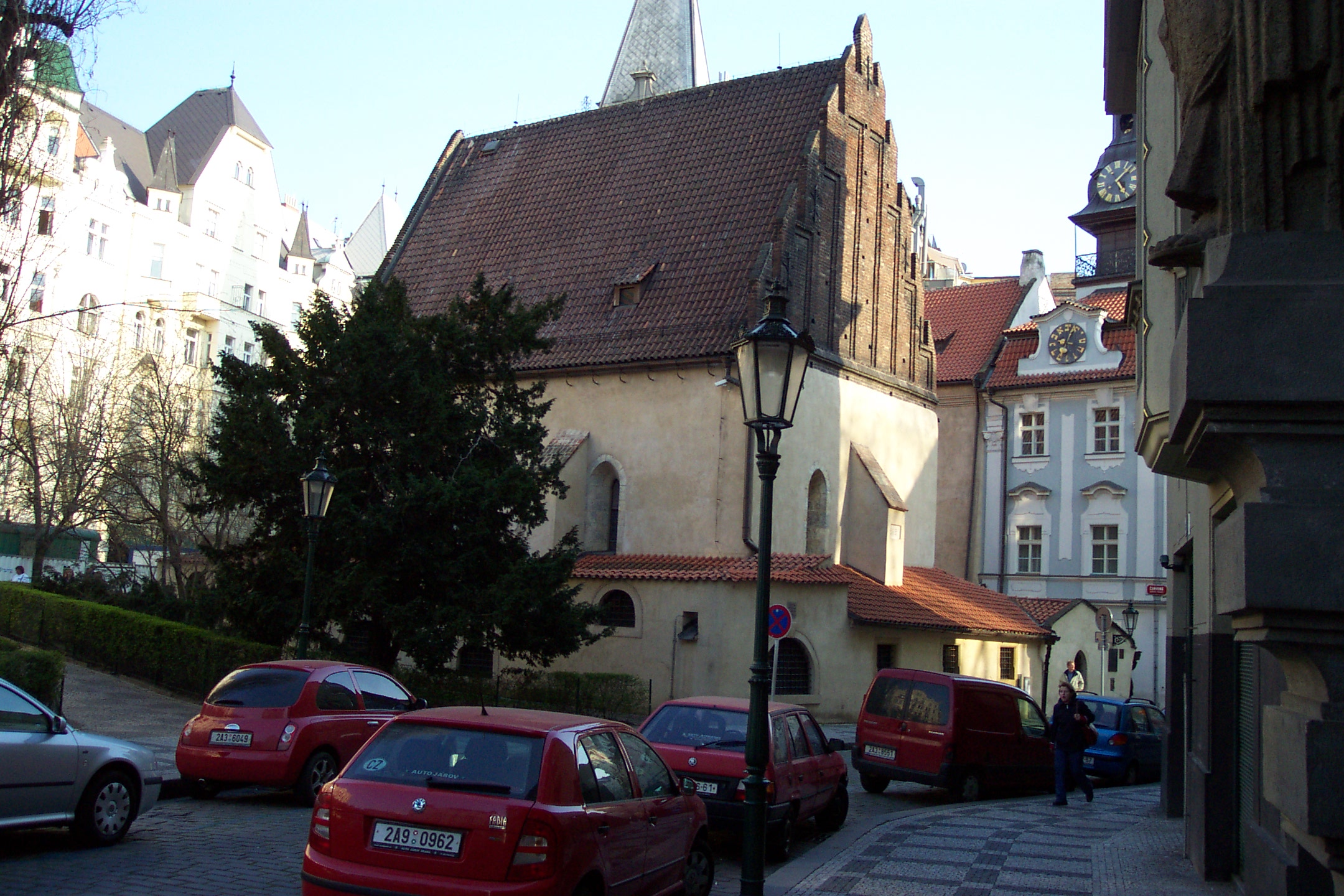
Prague’s Jewish community is documented from the tenth century onward, and Josefov preserves the oldest such core in Central Europe, having survived almost intact — paradoxically — because the Nazis planned to turn it into a “museum of an extinct race” and so didn’t demolish it. The Old-New Synagogue, from 1270, is Europe’s oldest active synagogue; the Old Jewish Cemetery has over twelve thousand visible headstones, but due to lack of space the actual burials are estimated at up to a hundred thousand, stacked in multiple layers over more than three hundred years of use.
Malá Strana ha alcuni dei ristoranti più eleganti (e cari) della città; Josefov e la vicina Pařížská sono piene di boutique di lusso. Per mangiare bene spendendo poco conviene allontanarsi verso Vinohrady o Žižkov, i quartieri residenziali dove i praghesi mangiano davvero.
Day 3 — Vyšehrad and Petřín
Full day · the two least touristy viewpoints
3 – Vyšehrad
Time half a day · free entry to the park
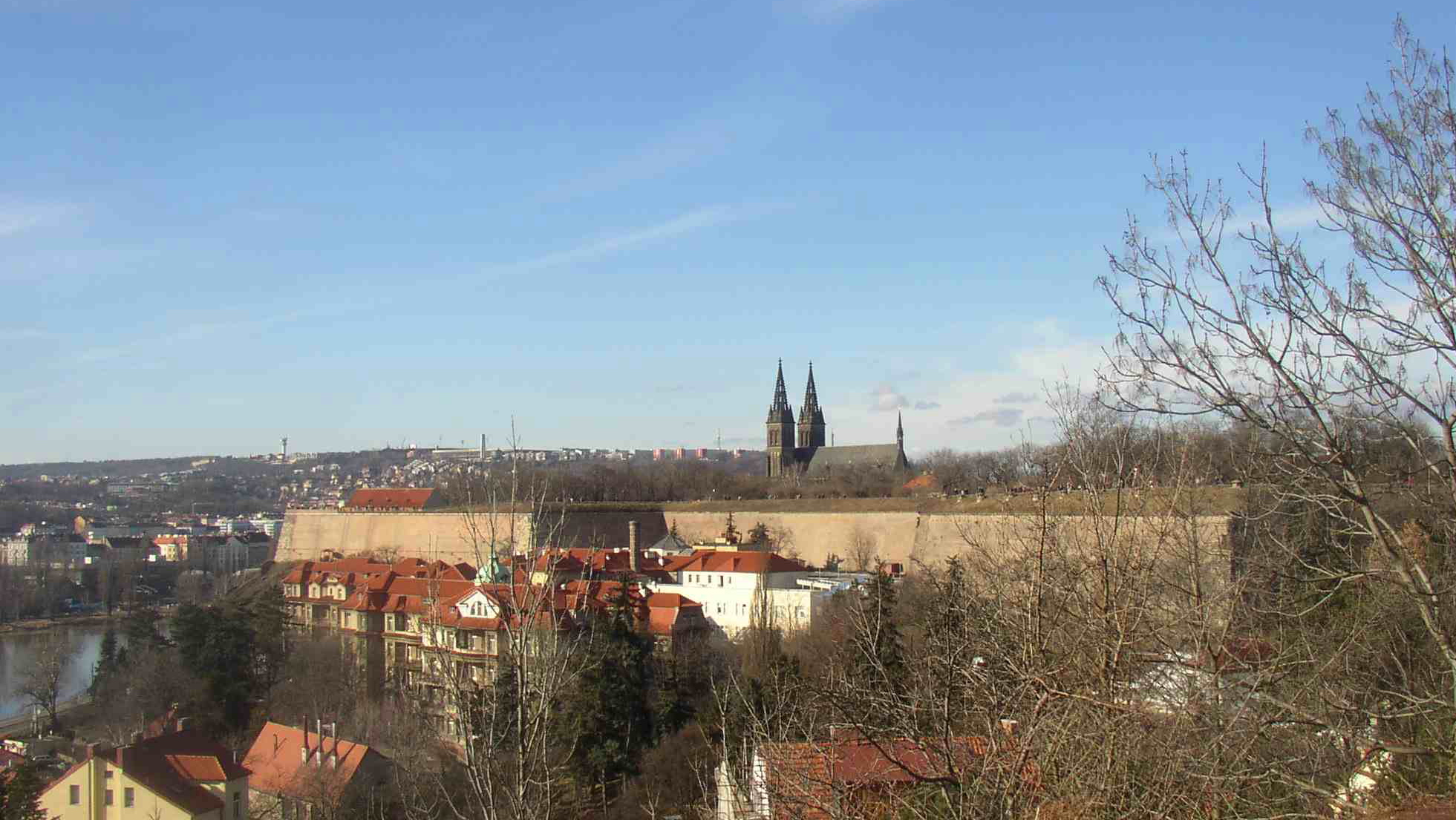
Vyšehrad, according to legend the site of the first Bohemian castle even before Prague Castle, is today a fortified park overlooking the Vltava that almost no passing tourist reaches. The national cemetery inside it holds the graves of Antonín Dvořák, Alfons Mucha, and other central figures of Czech culture, in a setting far quieter than the historic center.
4 – Petřín Hill
Time half a day · funicular or walk up
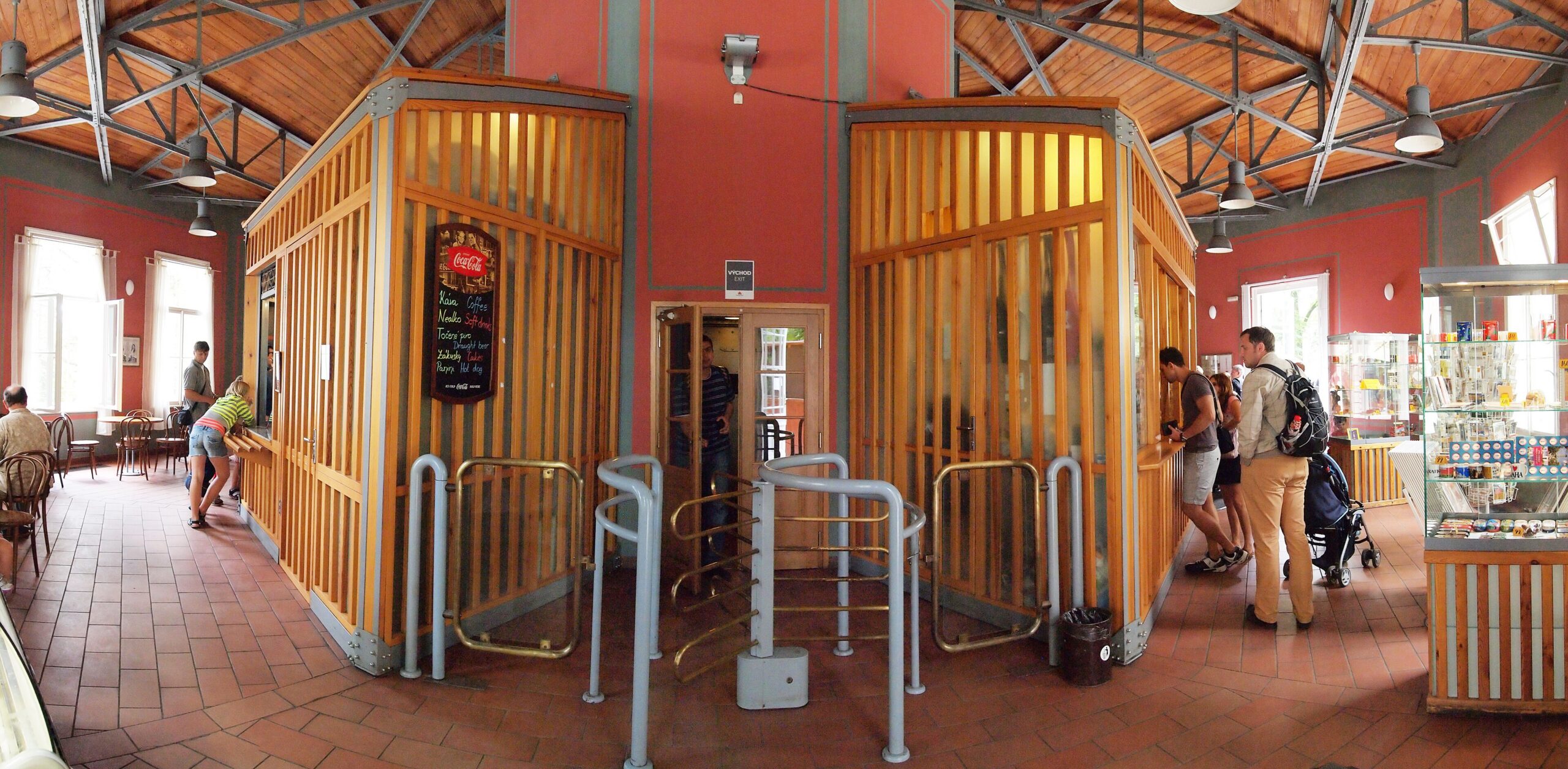
The Petřín Tower, built in 1891 at a reduced scale (one-fifth) of the Eiffel Tower after a Czech delegation to the 1889 Paris World’s Fair was captivated by it, offers from its 63.5 meters a view that takes in all of Prague and, on clear days, the mountains along the German border. The hill around it is a public orchard, perfect for an unhurried afternoon after two days of monuments.
How much three days cost
| Voce | Costo |
|---|---|
| Alloggio, 3 notti (camera media) | 120-220 euro |
| Ingressi (castello, Josefov, torre di Petřín) | circa 40 euro |
| Trasporti pubblici, 3 giorni | circa 12 euro |
| Pasti, 3 giorni | 60-100 euro |
| Totale | circa 180-280 euro a persona |
Figures as of September 2026, flight excluded. Payment is in Czech koruna: the Czech Republic has not adopted the euro.
Frequently asked questions
Are three days enough for Prague?
Yes, for the full historic center: the classic route, Malá Strana, Josefov, Vyšehrad and Petřín. Only day trips like Kutná Hora or Český Krumlov are left out.
Can you pay in euros in Prague?
No, the Czech Republic uses the Czech koruna (CZK), even though it has been in the European Union since 2004. Some tourist shops accept euros, but at an unfavorable exchange rate: it’s better to always pay in koruna.
Can Josefov be visited on Saturdays?
The synagogues and the Jewish cemetery are closed on Saturdays (Shabbat) and on Jewish holidays: check the calendar before planning that day.
What’s the most common mistake?
Concentrating everything in the old town and skipping Vyšehrad and Petřín, which stay quieter and offer the best views precisely because they’re less trodden by organized tours.
September 11, 2026