

Amsterdam in 5 days: the complete day-by-day itinerary
Five days in Amsterdam is too many for Amsterdam and just right for the Netherlands: it is the European country where a single base works best, because from here almost every Dutch city is under an hour away by train, and you never need to change hotel. The first three days remain those of the classic itinerary — museums and canals, the old city and the north bank, Zaanse Schans and Haarlem. The fourth goes to Utrecht, with its two-level canals and no crowds. The fifth to Delft and The Hague, twenty minutes apart and together the best day of the trip.
At a glance
- How long · five full days, based in Amsterdam throughout
- How much walking · 6-9 km a day, entirely flat
- What has to be booked · Anne Frank House six weeks ahead, Van Gogh and the Rijksmuseum a few days ahead, the Mauritshuis in The Hague recommended
- Budget · €320-470 per person for the five days, excluding accommodation
- Transport · regional trains need no booking; consider an unlimited day pass for days 3, 4 and 5
- What is left out · Rotterdam, Maastricht, the Wadden Islands, Kinderdijk: a second trip
One colour per day. Every stop outside Amsterdam is under an hour by train, with no need to change hotel.
The first three days
The first three are those of the three-day itinerary and stay unchanged.
Day 1 – Museums and canals
7 km · Rijksmuseum, Van Gogh Museum, canal ring, Anne Frank House, the Jordaan
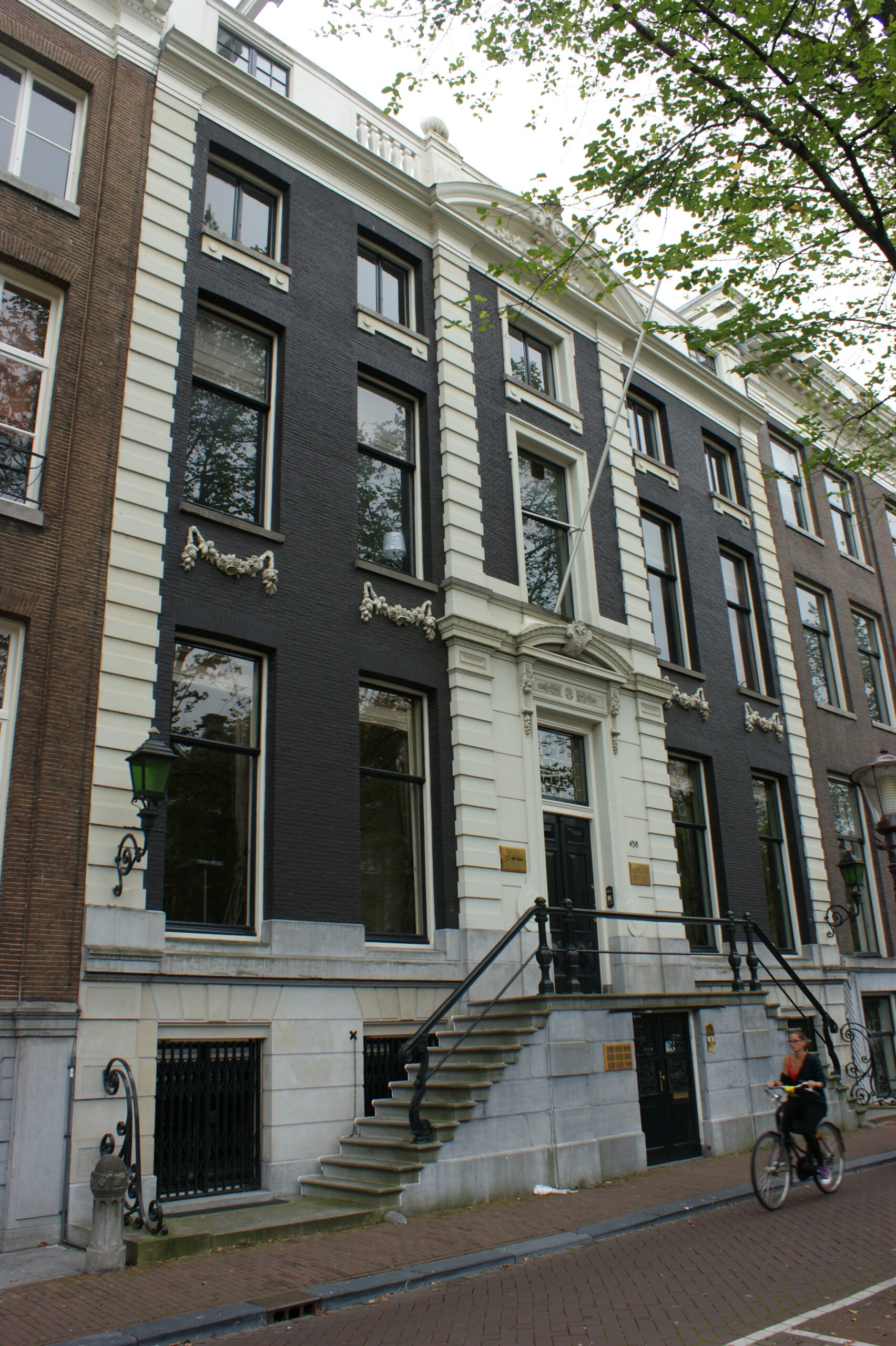
Morning at the two great museums on Museumplein, two hundred metres apart. Afternoon on the canal ring, a UNESCO site born as a 1613 property development: the houses are narrow because tax was charged on the façade width, and lean forward on purpose so goods hoisted by the hook would not hit the wall. Evening at the Anne Frank House — booking compulsory, weeks ahead — and the Jordaan with its hidden courtyards.
Day 2 – The old city and the north bank
6 km · Rembrandt House, Jewish quarter, Dam Square, the Begijnhof, Amsterdam Noord
The Rembrandt House was restored exactly as it was thanks to the notarised inventory of the painter’s 1656 bankruptcy: it is known precisely what stood in every room. Then the Jewish quarter with the candlelit Portuguese synagogue, Dam square and the Begijnhof, the silent courtyard with the oldest wooden house in the Netherlands.
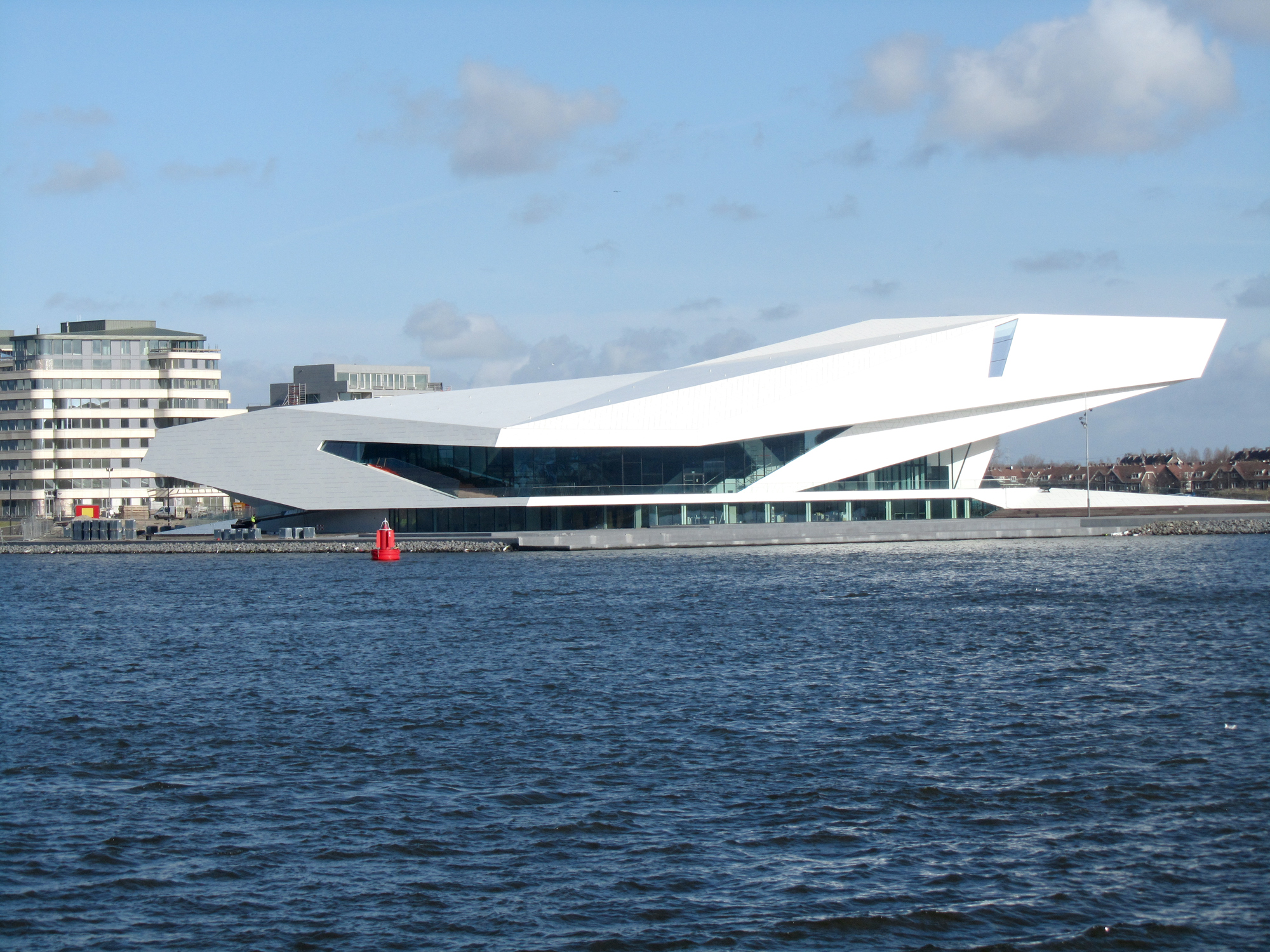
In the evening, cross the IJ on the free ferries behind the station, and have dinner in the Noord, between the EYE Filmmuseum and the former NDSM shipyard.
Day 3 – The windmills and Haarlem
The whole day · Zaanse Schans in the morning, Haarlem in the afternoon
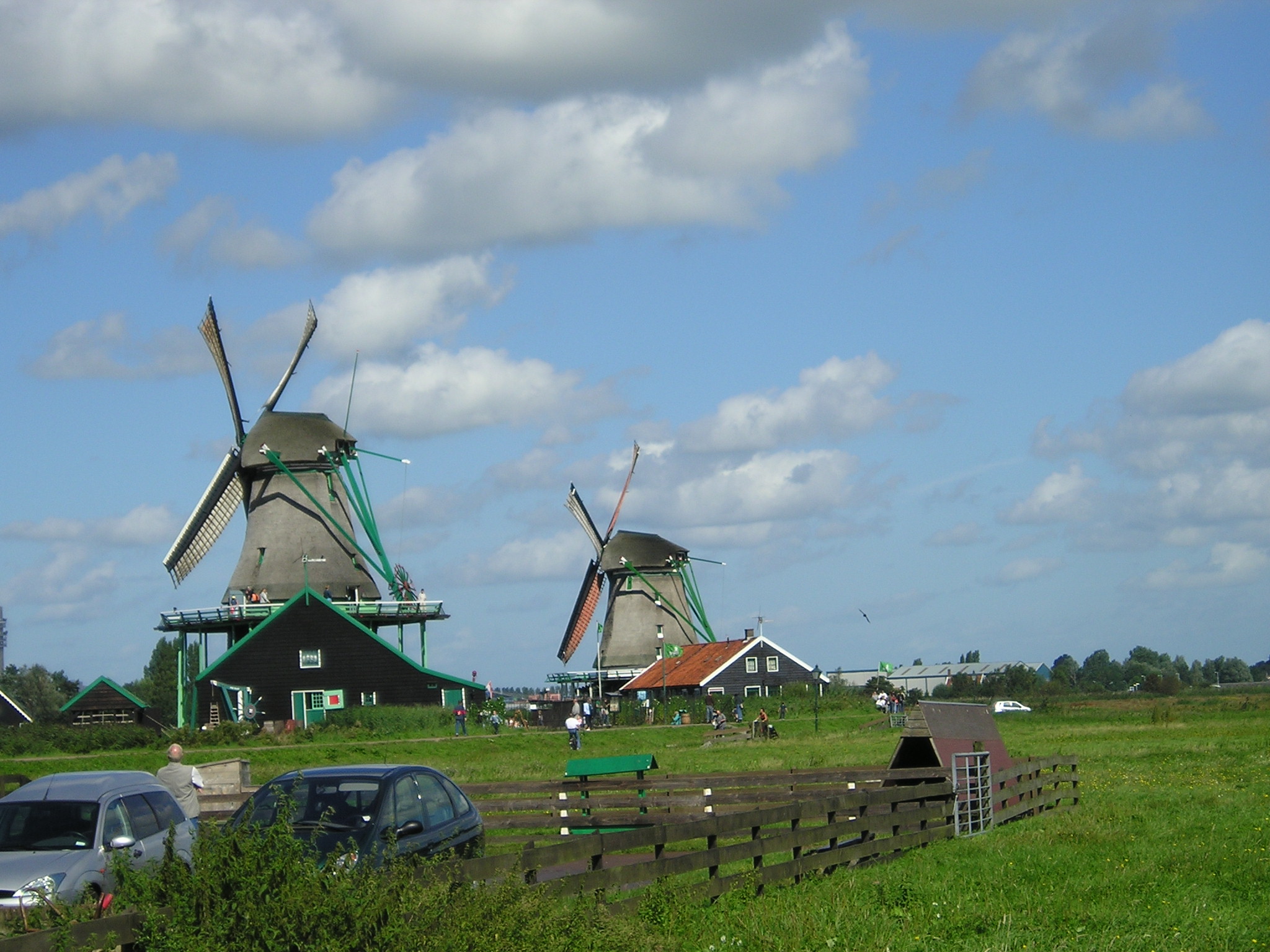
Zaanse Schans is an open-air museum built by moving authentic windmills saved from demolition here: they genuinely work, and they used to grind pigments, oil, timber. Haarlem, fifteen minutes by train, is what Amsterdam was before tourism, with a 1738 organ played by Mozart as a child and the Teylers, the country’s oldest museum.
Day 4 — Utrecht
The whole day · train from Amsterdam Centraal, 25 minutes · no booking needed
Utrecht has three hundred and fifty thousand residents, is the country’s fourth city, and for a thousand years was its religious centre, before Amsterdam overtook it through trade. It is twenty-five minutes by train and has almost no foreign tourists: it is the city of Dutch students.
The two-level canals
2 hours · Free · you go down from the street to the wharves
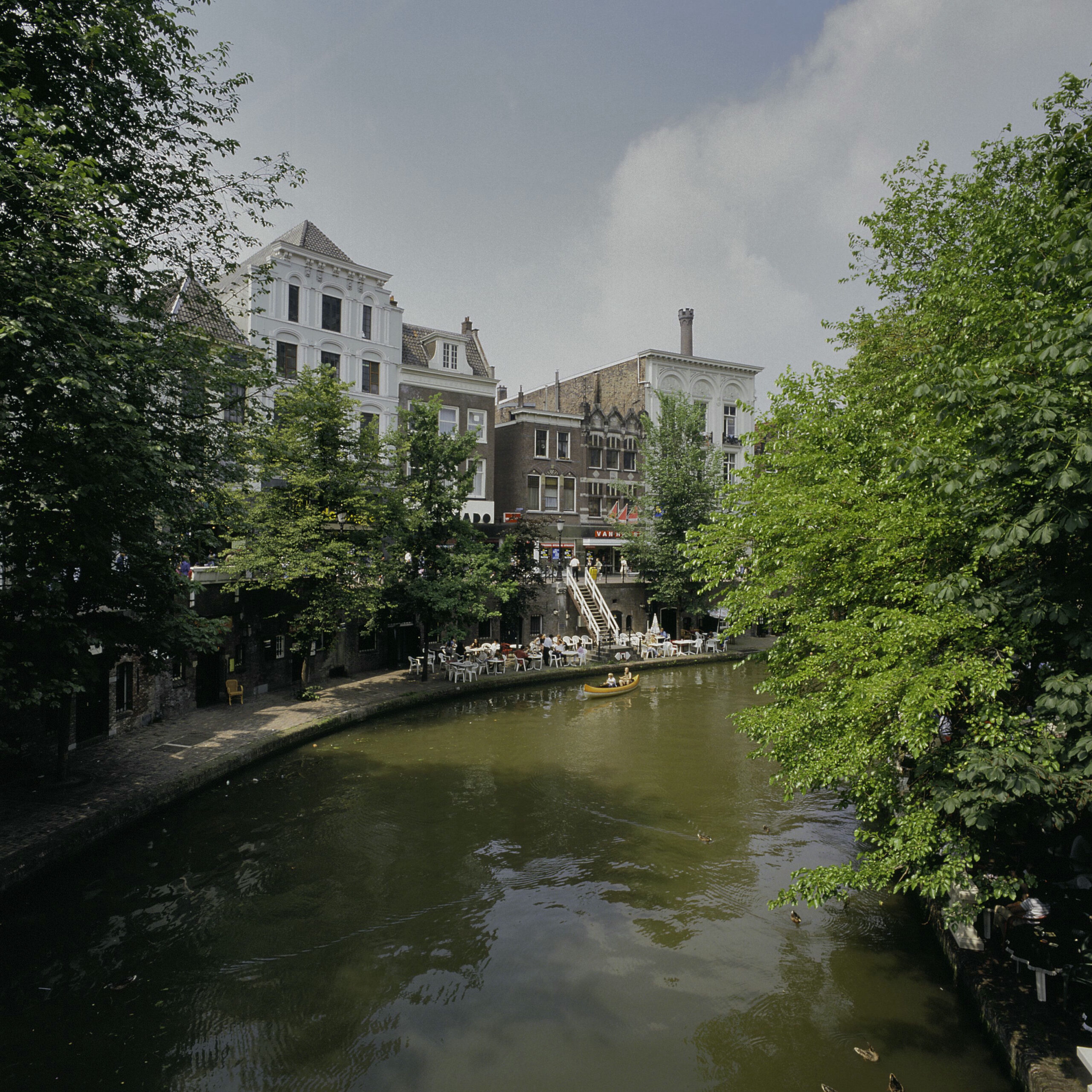
What makes Utrecht different from every other Dutch city is the Oudegracht, the old canal: it is dug below street level, and along its banks run wharves with medieval cellars opening directly onto the water. In the Middle Ages goods arrived by boat and were unloaded straight into the house, on the basement floor: a two-tier logistics system, unique in Europe.
Today those cellars are cafés and restaurants with tables on the water, a metre below the traffic. You go down stone steps scattered along the canal, and the change in level means you see nothing from the street: you have to know they are there.
The Domtoren and the broken cathedral
1.5 hours · Tower climb about €15, guided tour only · Book ahead
The Domtoren is the tallest church tower in the Netherlands, 112 metres, finished in 1382. You climb 465 steps with a guide, and on clear days the view reaches Amsterdam.
The strange thing is that the tower stands detached from the cathedral: a square lies between them. It was not always so. On 1 August 1674 a tornado — a very rare event in the Netherlands — brought down the central nave, which had never been reinforced because the money had run out. The rubble stayed there for a century and a half, and in the end the space was simply left empty. Different-coloured paving stones in the square mark the columns of the collapsed nave: you walk inside a church that no longer exists.
Behind the cathedral is the Pandhof, a Gothic cloister garden with medicinal herbs, free and almost always empty: one of the quietest spots in the Netherlands.
The rest of the city
2-3 hours · Museum Speelklok about €16, Centraal Museum about €16
Two very different museums, both excellent. The Museum Speelklok collects automatic musical instruments: carillons, street organs, player pianos, whole orchestrions that play themselves. The tour is guided, and the machines are switched on: it is the most entertaining museum in Holland, and it always works with children.
The Centraal Museum holds the world’s largest collection of Gerrit Rietveld, the architect and designer of the De Stijl group, and manages the Rietveld Schröder House: the 1924 house that is a UNESCO site, a manifesto of modern architecture with movable interior walls and primary colours. It is visited only by booking, in small groups, and needs to be reserved ahead.
Utrecht is also a city of bicycles to the nth degree: under the station is the largest bicycle parking garage in the world, with over twelve thousand spaces on three levels. You can walk in, and it is worth the five minutes it takes to look: it says more about the Netherlands than most museums.
Day 5 — Delft and The Hague
The whole day · train to Delft, 55 minutes; then 12 minutes to The Hague · two cities in one day
Morning – Delft
3 hours · Nieuwe Kerk and tower about €8 · the rest is free to walk

Delft is small, a hundred thousand people, and the prettiest Dutch city there is: narrow canals, low bridges, leaning houses, and a market square with a Renaissance town hall on one side and the Nieuwe Kerk on the other.
Inside the Nieuwe Kerk is the mausoleum of William of Orange, founder of the independent Netherlands, assassinated in Delft in 1584: every member of the Dutch royal family has been buried in the crypt below ever since, which is not open to visitors. You climb the tower, 376 steps, and the view reaches The Hague and Rotterdam.
Delft is also the city of Vermeer, who was born, worked and died here in 1675, leaving eleven children and many debts. There is no house of his to visit, and none of his paintings remain here — the Vermeer Centrum displays reproductions and reconstructs his method — but you can walk to the spot from which he painted View of Delft: it is an unremarkable corner on the canal, and the painting itself hangs in The Hague, where you go after lunch.
The other thing about Delft is its blue pottery. In the seventeenth century the Dutch imported Chinese porcelain through the East India Company; when civil war in China cut off supplies, Delft’s potters began imitating it with local clay and tin glaze, and Delfts Blauw was born. Royal Delft, opened in 1653, is the last original factory still standing, and it can be visited.
Afternoon – The Hague and the Mauritshuis
4 hours · Mauritshuis about €19, booking recommended · Tram or train from Delft, 12 minutes
The Hague — Den Haag — is the strangest city in the Netherlands: it is not the capital, which is Amsterdam, but it is home to the government, parliament, the king and the International Court of Justice. It began as a hunting village of the Counts of Holland, and for centuries technically did not even hold city status.
The reason to come is the Mauritshuis: a seventeenth-century palace with barely fifteen rooms, holding some of the most important paintings in the world. There is Girl with a Pearl Earring by Vermeer, which in real life is much smaller than expected and is not a portrait but a tronie, a study of an imagined human type. There is View of Delft, also by Vermeer, which Proust called the most beautiful painting in the world and went to see again shortly before he died. And there is Rembrandt’s The Anatomy Lesson of Dr Nicolaes Tulp, painted at twenty-six: the major commission that made him famous in Amsterdam.
The museum takes an hour and a half to visit, and that is its strength: no fatigue, no choices to make, only masterpieces.
Elsewhere in the city: the Binnenhof, the complex of Gothic buildings around a small lake where parliament has sat since 1446 (under a long restoration, check what is accessible); the Panorama Mesdag, a hundred-and-twenty-metre circular painting from 1881, viewed from the centre of a platform and simulating the beach at Scheveningen — the largest surviving nineteenth-century panorama in the world; and the beach at Scheveningen, twenty minutes by tram, if you want to end the five days on the North Sea.
If you go in spring: the Keukenhof
Between late March and mid-May, the Keukenhof opens, the tulip park at Lisse, between Amsterdam and The Hague: thirty-two hectares and around seven million bulbs planted by hand every autumn, for eight weeks of opening a year. It is a huge tourist machine, and it should be taken for what it is, but the bulb fields around it — visible for free from the train, and even better by bicycle — are the real reason to go.
If your dates fall in that window, swap it for day 4: a bus reaches it from Schiphol or Leiden, book the ticket online with a time slot, and go early in the morning.

If it rains
- Day 3 · Zaanse Schans is outdoors and bleak in the rain: devote the whole day to Haarlem, which has three excellent indoor museums.
- Day 4 · Utrecht copes well: the Museum Speelklok, the Centraal Museum and the Domtoren climb are all indoors, and the Oudegracht cellars are covered.
- Day 5 · the best day for rain: the Mauritshuis and the Panorama Mesdag are indoors, and Delft can be walked under its arcades and through its churches.
What the five days cost
| Item | Cost |
|---|---|
| Rijksmuseum, Van Gogh, Anne Frank House, Rembrandt House | about €85 |
| Frans Hals Museum and the Zaanse Schans windmills | about €30 |
| Domtoren and one museum in Utrecht | about €31 |
| Nieuwe Kerk in Delft and the Mauritshuis | about €27 |
| Regional trains to Zaandijk, Haarlem, Utrecht, Delft and The Hague | €50-65 |
| Canals, the Begijnhof, ferries, the Pandhof, the Binnenhof, beaches | free |
| City transport, 5 days | about €25 |
| Meals, 5 days | €150-230 |
| Total | about €320-470 per person |
Reference figures as of August 2026: check official websites before you travel. With three days of regional trains, look at unlimited day passes and group deals, which cut costs considerably on Dutch railways. With six or seven museums over five days, also weigh the Museumkaart: it covers almost everything listed here, but not the Anne Frank House, which still has to be booked separately.
Frequently asked questions
Is five days too many for Amsterdam?
For Amsterdam alone, yes: the centre runs out in two days. But the Netherlands is the European country where a single base works best: from Amsterdam, Haarlem is 15 minutes away, Utrecht 25, Delft 55 and The Hague an hour, with no need to ever change hotel. Five days built this way are a trip through Holland, not a city break.
What makes Utrecht special?
The two-level canals: the Oudegracht is dug below street level, and along its banks are wharves with medieval cellars opening onto the water, today turned into cafés. It was a two-tier logistics system, unique in Europe. And the broken cathedral: in 1674 a tornado brought down the nave, and the tower has stood detached ever since, its collapsed columns marked in the paving of the square.
Is it worth going to The Hague?
For the Mauritshuis, yes, without hesitation: fifteen rooms with Girl with a Pearl Earring, View of Delft and Rembrandt’s Anatomy Lesson. It takes an hour and a half to visit, which is its greatest strength. The Hague is also home to the government and the king despite not being the capital, which is Amsterdam.
Do Delft and The Hague fit in the same day?
Yes, and it makes sense: they are twelve minutes apart. Delft in the morning, small and done in three hours, The Hague in the afternoon for the Mauritshuis. It is the finest day in this five-day itinerary.
Where is Girl with a Pearl Earring?
At the Mauritshuis in The Hague, not in Amsterdam. In real life it is much smaller than expected and is not a portrait of a real person: it is a tronie, a study of an imagined human type, a genre with its own rules in Dutch seventeenth-century painting. In the same room hangs View of Delft, which Proust considered the most beautiful painting in the world.
When do you see the tulips?
From late March to mid-May, peaking around mid-April. The Keukenhof opens only during those eight weeks: thirty-two hectares and around seven million bulbs planted by hand every autumn. It is very crowded: the bulb fields around it, visible for free from the train and by bicycle, are often more beautiful than the park itself.
Is it worth buying combined rail tickets?
With three days of day trips, yes: look at unlimited day passes and group deals on Dutch railways, which cut costs considerably compared with single tickets. Regional trains need no booking and run every few minutes: you just get on. Remember to tap your card or ticket on the way out too, or you will be charged the maximum fare.
Do you need to change hotel to see the Netherlands?
No, and that is the country’s great advantage: from Amsterdam almost every Dutch city is under an hour away by train. Changing base would waste more time than it saves. The only exception is Maastricht, at the far south, two and a half hours away.
What is Delft pottery?
In the seventeenth century the Dutch imported Chinese porcelain through the East India Company; when civil war in China cut off supplies, Delft’s potters began imitating it with local clay and tin glaze. That is how Delfts Blauw was born. Royal Delft, opened in 1653, is the last of the original factories still operating, and it can be visited.
Is Utrecht’s bicycle garage worth seeing?
Five minutes, yes. It is the largest in the world: over twelve thousand spaces on three levels beneath the station, with displays showing free spots the way a car park would. You can walk in, and it is free. It says more about the Netherlands than plenty of museums.
September 3, 2026


